

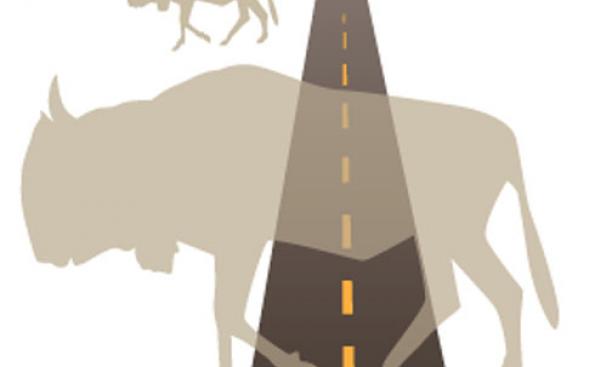
A movable ’beest A proposed road project in northern Tanzania could disrupt the migration of Serengeti wildebeest and cut the animal’s population by a third in the next century, according to a study by ecology and evolutionary biology professor Andrew Dobson and colleagues from four universities in the United States and Canada. The paper, published in the journal PLoS ONE Jan. 25, used computer models to simulate changes in wildebeest migration, “a rare and spectacular example of a once-common biological phenomenon.”
Curbing cancer’s spread A research team led by molecular biology professor Yibin Kang has identified a biological signaling mechanism that enables breast cancer to spread to bone, according to a paper published in Cancer Cell Feb. 15. In a review article that accompanied the study, researchers from the Baylor College of Medicine wrote that the new findings could aid the development of drugs to block bone metastasis, which affects 70 percent of breast-cancer patients.
Paying off?