

Leland Ko ’20 Is Winning Global Cello Competitions
‘This is kind of like our Olympics,’ Ko said of the recent Queen Elisabeth Competition in Brussels
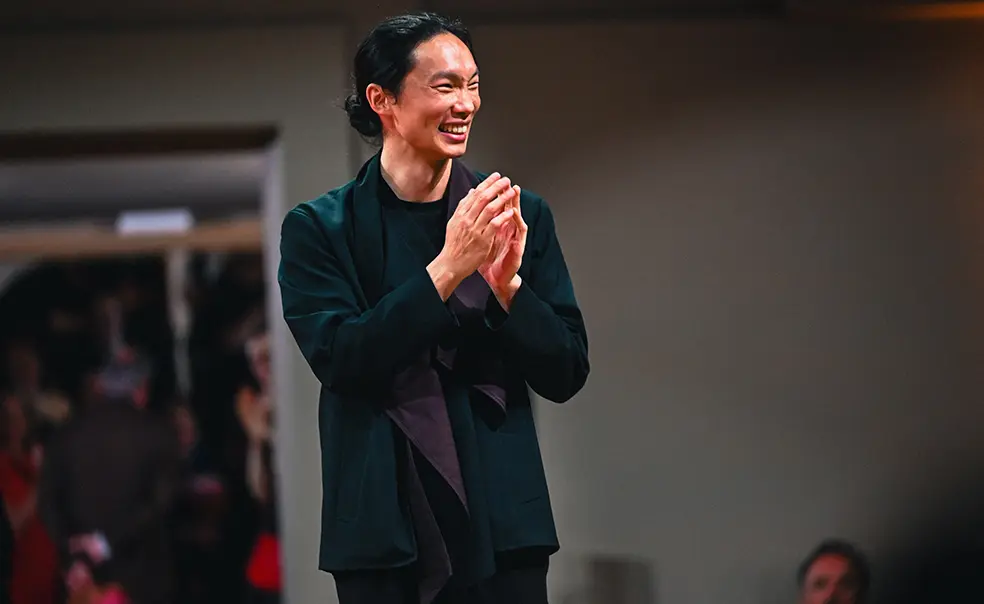

While some tens of thousands of Princetonians were making their final preparations to return to campus and see old friends at Reunions this year, Leland Ko ’20 was preparing for something very different: to go off the grid for a week.
“I go on Friday into isolation, and then the very next time that we all appear in public is for the performance,” Ko said. The show in Brussels was the final round of the Queen Elisabeth Competition, one of the most prestigious and rigorous competitions for musicians in the world. “This is kind of like our Olympics.”
Ko began playing the cello when he was only 3 years old and grew up playing in Boston’s robust youth orchestra scene. He made a deal with his parents to get a liberal arts education, so he studied German literature and received a music performance certificate at Princeton before pursuing a career as a cellist by studying at The Juilliard School and New England Conservatory.
In the years since graduation, he has won first prize at the Concert Artists Guild Louis and Susan Meisel Competition, the Walter W. Naumburg International Cello Competition, and the Concours Orchestre Symphonique de Montréal, to name a few.
Next on the list was the Queen Elisabeth Competition, which celebrated its 75th anniversary this year, though the cello portion only marked its third iteration after being introduced in 2017. Ko knew this would be his last chance to compete given the 30-year-old age limit — he celebrated his 28th birthday while preparing for the final round.
“I may never feel something like this ever again,” Ko said of the competition atmosphere. “I get nervous regularly, but not like this. But also, I’m about as excited as I’ve ever been for something, as well, so two things can be true at once.”
The competition attracted applications from 185 cellists and 12 made it to the final round, which required the cellists to perform two concertos with the Belgian National Orchestra.
One of the concertos was written for the competition and had to be learned in isolation without the competitors ever hearing what it was meant to sound like and without the help of teachers or the internet. The last time Ko went so long without his phone, he said, was during Outdoor Action.
“It’s going to be a special experience no matter what,” Ko said leading into the final. “You bond with everyone. I guess you’re competitors, so to speak, but you’re all on the same sinking ship.”
“There are people that I know who are also in this final who I would buy a ticket to see them anywhere in the world play concerts. If they win, then we all win. Everybody wins because there’s just more music.”
Ko was awarded the third place Count de Launoit Prize after playing for more than 50 minutes for both his final concerto performances. In the weeks since the competition final, he has presented concerts across Belgium with the other top place finishers. Though he has already performed concerts in notable venues like Carnegie Hall in New York and Maison Symphonique in Montréal, the Queen Elisabeth Competition prize should lead to even more opportunities for Ko.
“You hope that this kind of result or this kind of visibility opens doors and that people will ask you to play in many different places, but that can take years to flesh out,” Ko said after the competition finished. “My main duty is still only to keep trying to improve, bit by bit, every day in the practice room, and to keep consuming music so that I’m ready for anything.”
Watch Ko’s five Queen Elisabeth Competition performances here.
The Latest
See all


Related News

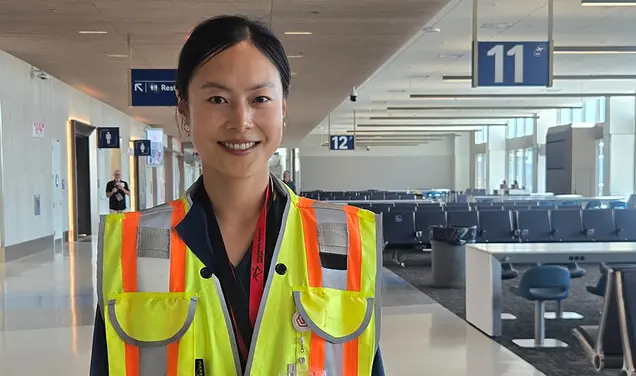
Janice Lee ’09 Worked to Renovate One of Hollywood’s Best-Kept Secrets
An engineer by training, Lee has been deputy project manager on the renovation of Hollywood Burbank Airport


No responses yet