

What Wine Should You Try Next?
Katy Andersen Keating ’08, managing director of Flint Wines, offers three inside tips
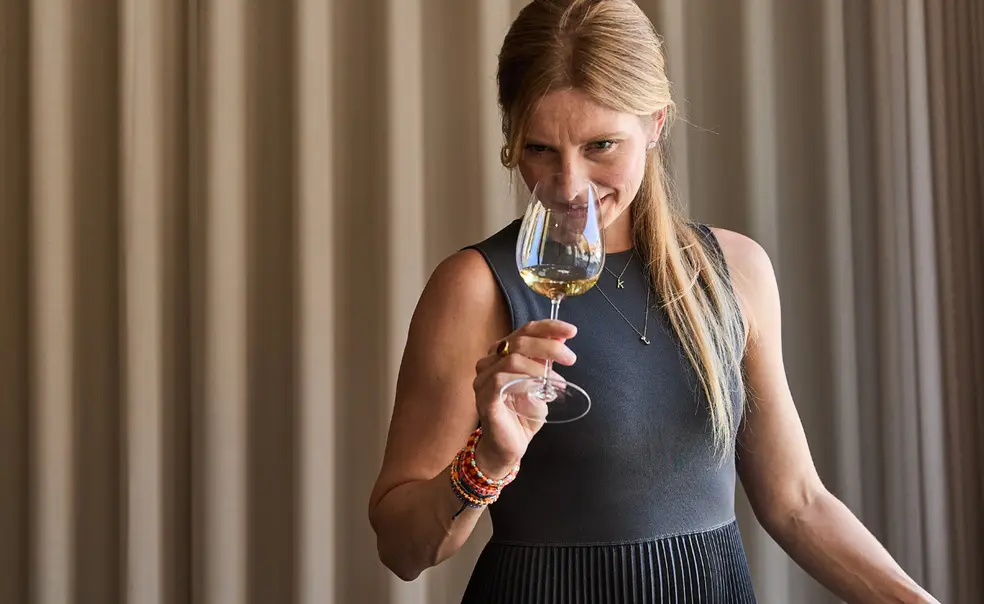

Everyone always asks me the same question: What wine should I try?
For me, the enjoyment of a bottle of wine is not just about how delicious it is, but also about the acts of discovery and connection. Here are a few inside tips for wines to try.
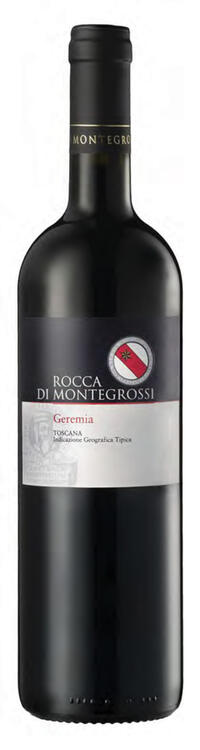
If you like California Cabernet Sauvignon: While the Cabs of Napa Valley have been getting increasingly elegant in recent years, temperatures in Bordeaux (the spiritual home of Cabernet Sauvignon) have been on the rise, producing wines with greater fruit expression. The result is that these regions, which at one time were worlds apart in style, are increasingly converging, making it a good time to give Bordeaux a look. Another great source of Bordeaux blends (the grapes Cabernet Sauvignon, Merlot and Cabernet Franc) that shares a similar Mediterranean climate to Napa, is Tuscany. Areas like Bolgheri on the Tuscan coast are well established now. It's a large zone so quality can be variable but there are plenty of gems if you go hunting: The wine Geremia from the estate Rocca di Montegrossi is a great example.
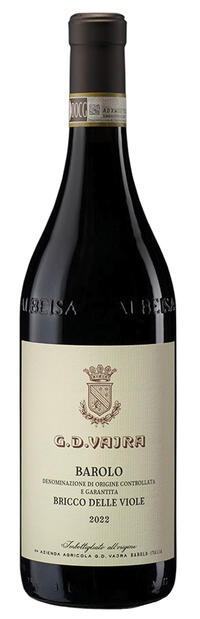
If you like Pinot Noir: Try wines made from the grape Nebbiolo in northern Italy’s Piedmont region, two hours west of Milan. It’s the thick-skinned, late-ripening black grape in the famous red wines Barolo and Barbaresco. These iconic wines offer haunting aromatics à la Pinot, but with more tannin — the chalky feeling following a sip of wine — which also makes them ideal to enjoy over a meal. Like Pinot, it also has an incredible ability to reflect the specific site it’s grown on, making it both cerebral and hedonistic. The Barolo named Bricco delle Viole made by GD Vajra, from a vineyard next to their family home, is a terrific place to start. Its name means “hill of violets” where these wild spring flowers bloom early, due to its favorable exposure, from which the grapes here also benefit — and there’s the same gorgeous floral note when you smell the wine itself.
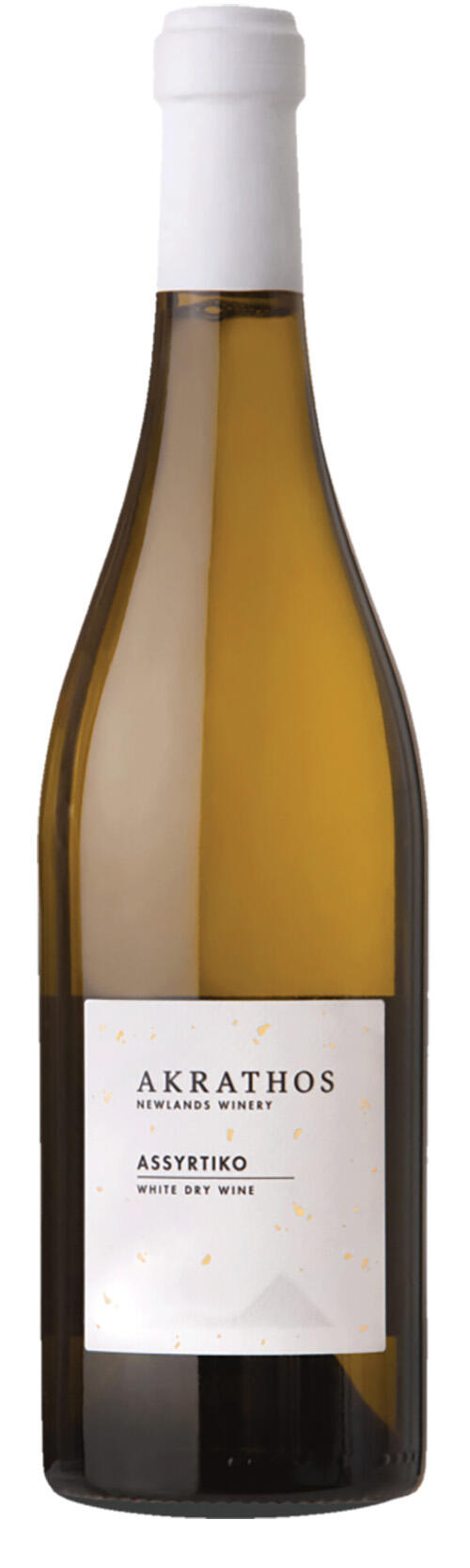
If you like whites from the Loire Valley: Take a step up in complexity and intensity with the Greek white grape Assyrtiko, in particular from the island of Santorini, which is in vogue at the moment. While examples of the grape on the mainland can be neutral if not generic (think cheap Italian Pinot Grigio), Santorini is one of the most challenging places on earth to grow grapes and so very old vines trained using ancient methods and grown without irrigation yield tiny quantities of very complex and mouth-filling white wines with soaring, refreshing acidity. I love the wines of Vassaltis Winery. And, if you’re keen to explore other noteworthy Greek wineries, Akrathos Winery has a Princeton connection; their general manager is Phoebe Champion ’10.






No responses yet