

Artist Maya Lin Reminds Us What Climate Change Has Stolen
Lin’s “What Is Missing? What If?” exhibit marks the High Meadows Environmental Institute’s first at Briger Hall
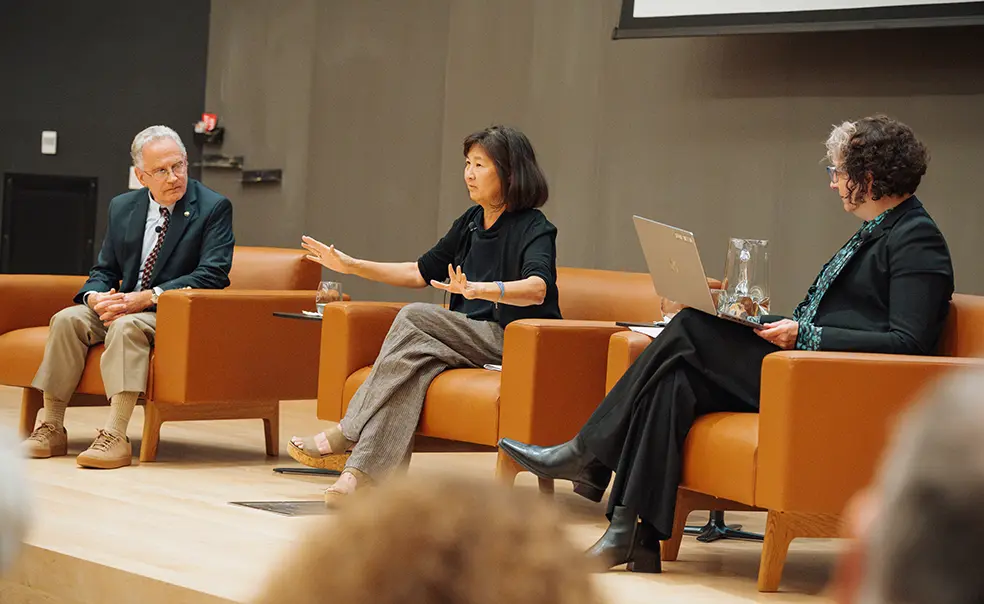

A talk by artist Maya Lin in Briger Auditorium on Tuesday began in darkness with the sounds of birds chirping. Visuals of habitats and animals were then played in rapid succession, matching images to the sounds and asking the audience a fundamental question: “Can we learn to share the planet?”
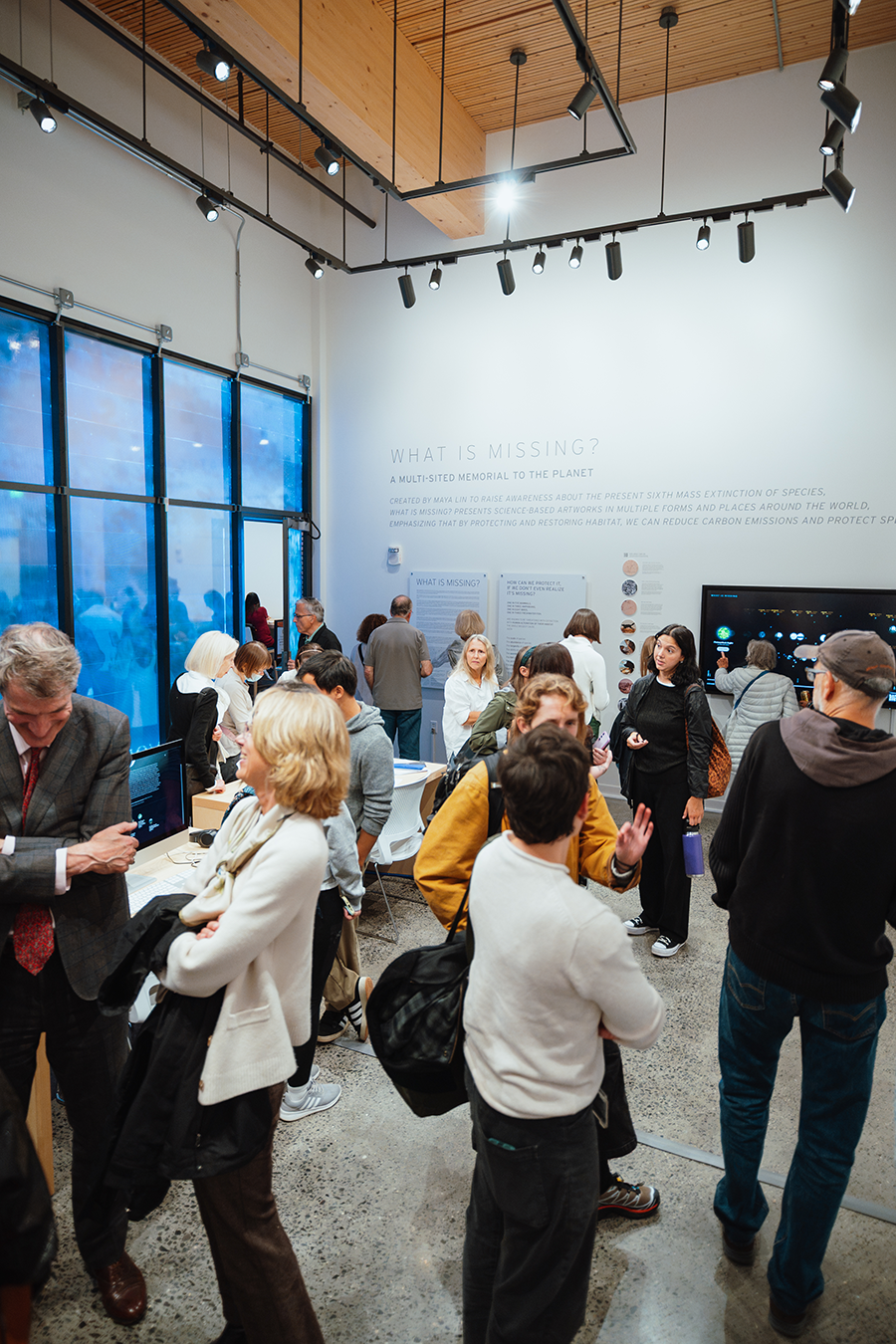
Gently, Lin’s voice cut in. She spoke about her art installation in the new Environmental Gallery and her longstanding commitment to combining environmentalism with art through the “What Is Missing” project. It highlights people’s memories of natural features that are no longer here due to climate change, such as the chirping of birds or the buzzing of insects.
“How can we protect something if we don’t even realize it’s gone?” Lin said.
Lin is an internationally renowned architect and artist, best known for designing the Vietnam Veterans Memorial when she was just 21 years old. Previously she designed two permanent pieces on campus, Einstein’s Table and The Princeton Line.
This latest installation, the first at Briger Hall through Princeton’s High Meadows Environmental Institute, is titled, “What Is Missing? What If?” It consists of enormous screens that project life-size versions of endangered animals in their natural habitats. There are also doors on either side of the screens that open into a dedicated gallery room that further highlights the art piece with various facts and visuals about climate change. Visitors can use two computer monitors to access the accompanying website, WhatIsMissing.org, and share memories of their own.
“By and large, people destroy biodiversity not because they set out to do that but because they’re trying to make a living,” said ecology and evolutionary biology professor David Wilcove *85, who joined Lin in a Q&A after the talk. “Sometimes it’s a good living, sometimes it’s a very poor living, but they’re trying to make a living.”
Audience members asked questions about the importance of biodiversity and the difficulties integrating solutions. Lin and Wilcove encouraged continued action, emphasizing the impacts of local efforts.
“Just being able to believe that we can all make a difference, we all have to make a difference, is part of it,” Lin said, “because I think you can get lost in ‘oh, it’s hopeless,’ but I want to say that you still have to do something.”
The exhibition is on view at Briger Hall from 10 a.m. to 4:30 p.m. on weekdays with additional hours until 7 p.m. on Thursdays.
The Latest
See all


Related News
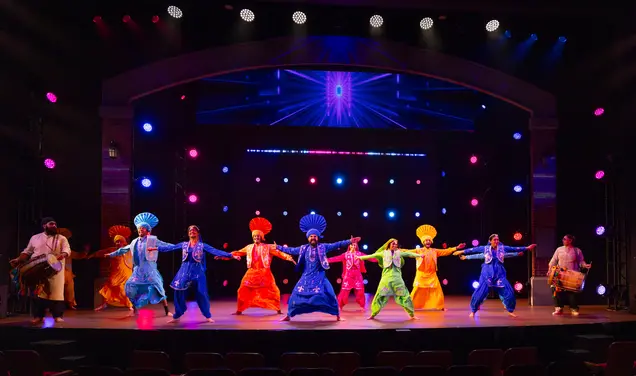
McCarter Theatre’s First South Asian Musical Took Me Back to Forbes Basement
A Beat of Our Own is about a college dance team not unlike Princeton South Asian Theatrics


No responses yet