

Daniela Valdés Highlights the History of LGBTQ+ People of Color
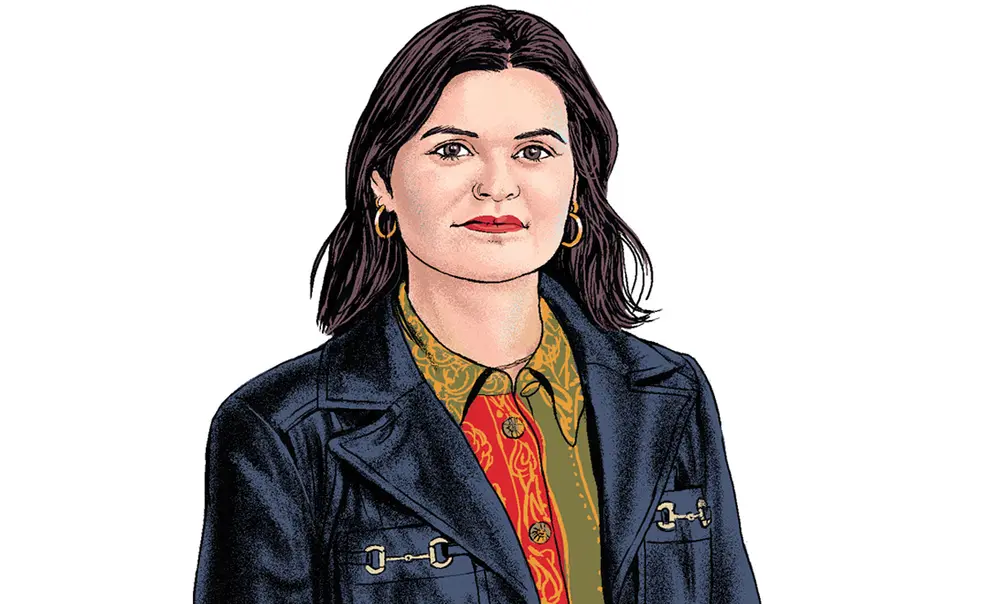

Daniela Valdés fell in love with history from an early age, gravitating to the communities that mirrored her reality as a young queer person of color. At the time, the LGBTQ+ world was influenced by Black feminism and Chicana, Latina, and Indigenous feminisms, and the community was involved with anti-carceral and prison abolition politics. Valdés herself was born to Colombian and Cuban immigrants and identifies as gender nonconforming — a person whose gender expression, behavior, and/or presentation doesn’t align with societal expectations or stereotypes for their sex assigned at birth. “I wanted to understand more about the origins of the world that shaped me,” she explains.
Valdés earned her bachelor’s degree from Dartmouth and her Ph.D. in history from Rutgers University. Her work blends carceral, labor, migration, and gender and sexuality studies with community engagement and intergenerational dialogue to better understand LGBTQ+ history in the context of U.S. history more broadly. In the fall, Valdés joined Princeton as a Cotsen Fellow in LGBTQ+ Studies, where over the course of her three-year appointment, she hopes to deepen her research into the history of queer and trans people of color and work toward publishing her first book.
Quick Facts
Title
Associate research scholar in the Council of the Humanities and lecturer in history
Time at Princeton
6 months
Recent Class
‘Spare change for a starving queen?’ Race and Gender Nonconformity in U.S. History
Valdés’ Research: A Sampling
Mass Incarceration Through an LGBTQ+ Lens
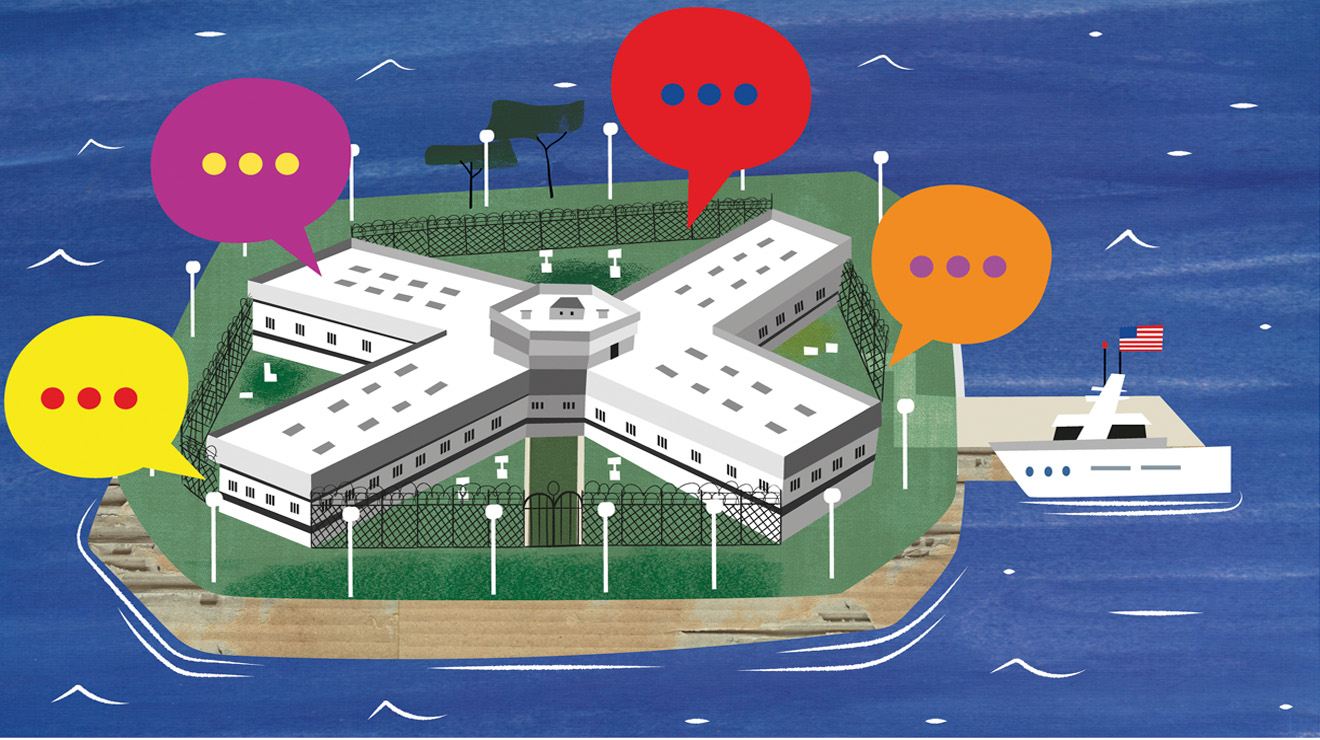
In the latter part of the 20th century as U.S. incarceration rates dramatically rose, studies show LGBTQ+ people of color were disproportionately jailed. In her current book project Clocked and Locked: Race, Gender Nonconformity, and the Making of the Carceral-Psychiatric State, 1945-1995, Valdés pulls from extensive municipal and state archives of data to probe how a gender-nonconforming experience “shapes social and economic outcomes, and may or may not bring someone in close contact with the criminal legal system.” She adds that citing official government records helps dispel the harmful myth that the history of this community has been erased. “That’s not true, and it does a disservice to us.”
Putting Histories in Context
In her new course, ‘Spare change for a starving queen?’ Race and Gender Nonconformity in U.S. History, Valdés positions LGBTQ+ history in the broader context of U.S. history to ask deep questions about how we conceptualize the country. “Do we think about it as a colonial-settler nation state? Do we think about it as a multiracial democracy with a promise fulfilled? How do we think about policing in this country, inequality, fairness, justice, democracy, the fight to defend democracy?” In the future, Valdés hopes to expand this line of study into multiple course offerings to enable deeper dives into each angle.
Preserving Stories
A believer in blending academic study with community engagement for deeper impact, Valdés is particularly interested in storytelling and dialogue. She conducts oral histories for the Rikers Public Memory Project (RPMP), which showcases the stories of those most impacted by the New York City jail Rikers Island and serves as the largest public archive of the jail’s legacy. “Most people confined at Rikers are not convicted of crimes. They’re only there because they cannot pay bail,” she explains. “Fundamental to policing and incarceration in this country is this class- and race-based issue.” Valdés edited and directed RPMP’s documentary Story by Story: Building a People’s History of Rikers Island.
The Latest
See all


Related News
With Prominent Journalists and Hoagies, the ‘Prince’ Celebrates 150 Years
A gala at the New York Historical raised roughly $400,000 for the independent student newspaper

1 Response
Marc C. Capalbo *89
7 Months AgoDescription of One’s Sex
One’s sex is not “assigned at birth” as Agatha Bordonaro ‘04 states, any more than four is assigned to the sum of two and two.
It is an unalterable fact of nature, biology, and human life itself.