

High Meadows Sends Student Interns to Labs and Field Sites
Supporting more than 100 students annually, the summer of science is among Princeton’s largest internship programs
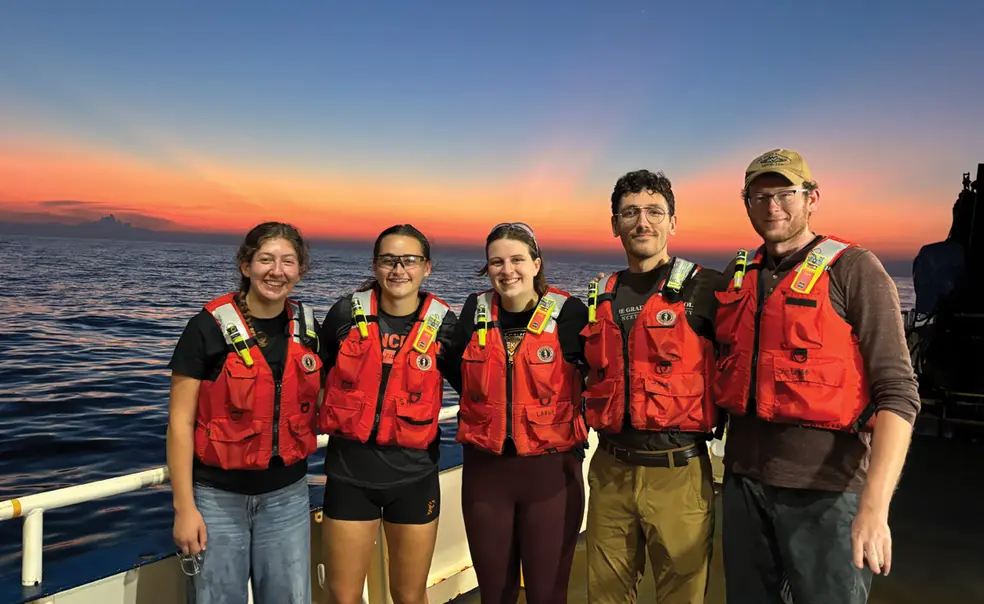

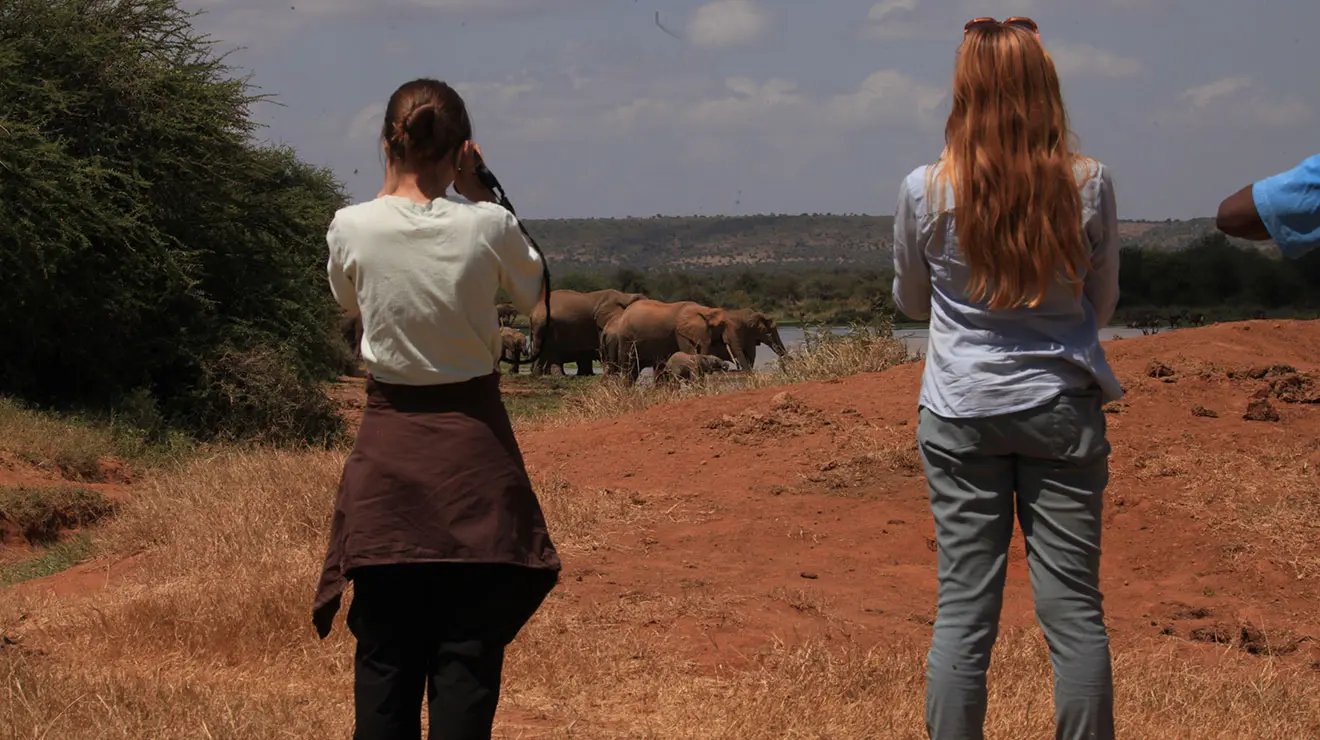
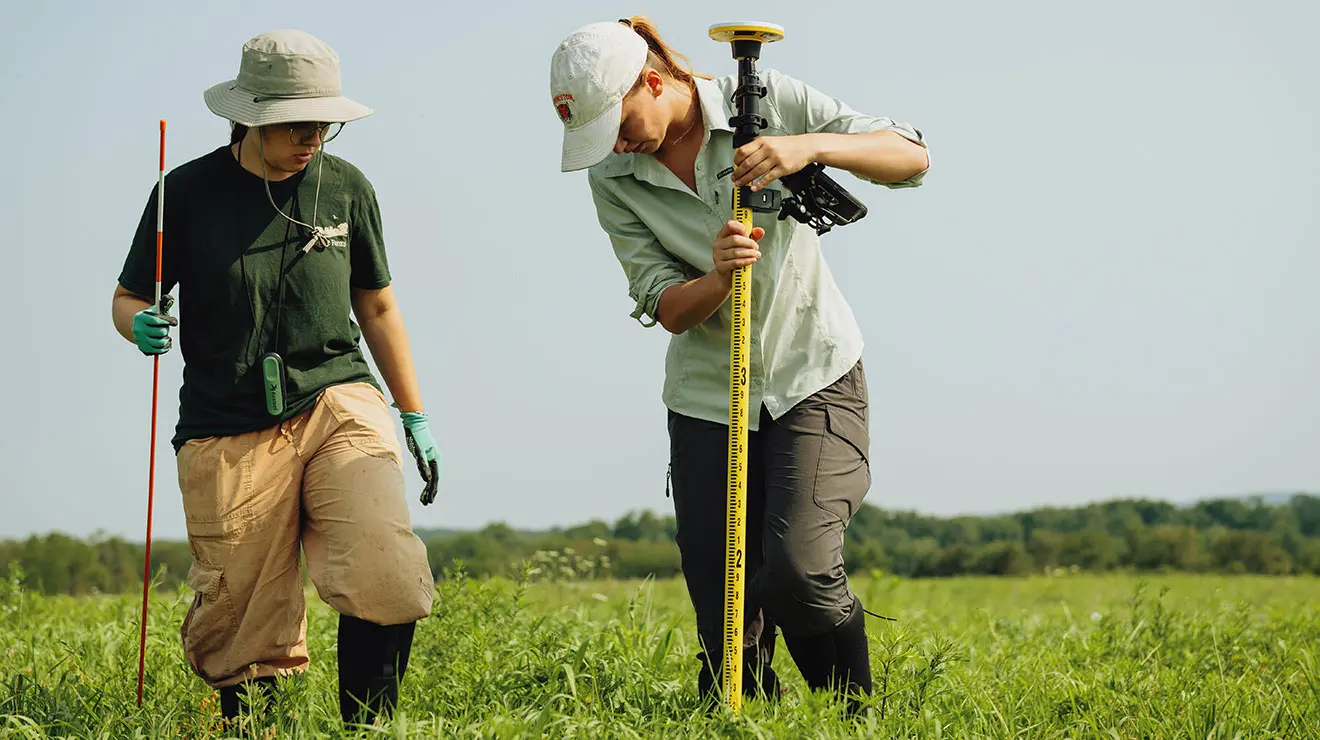
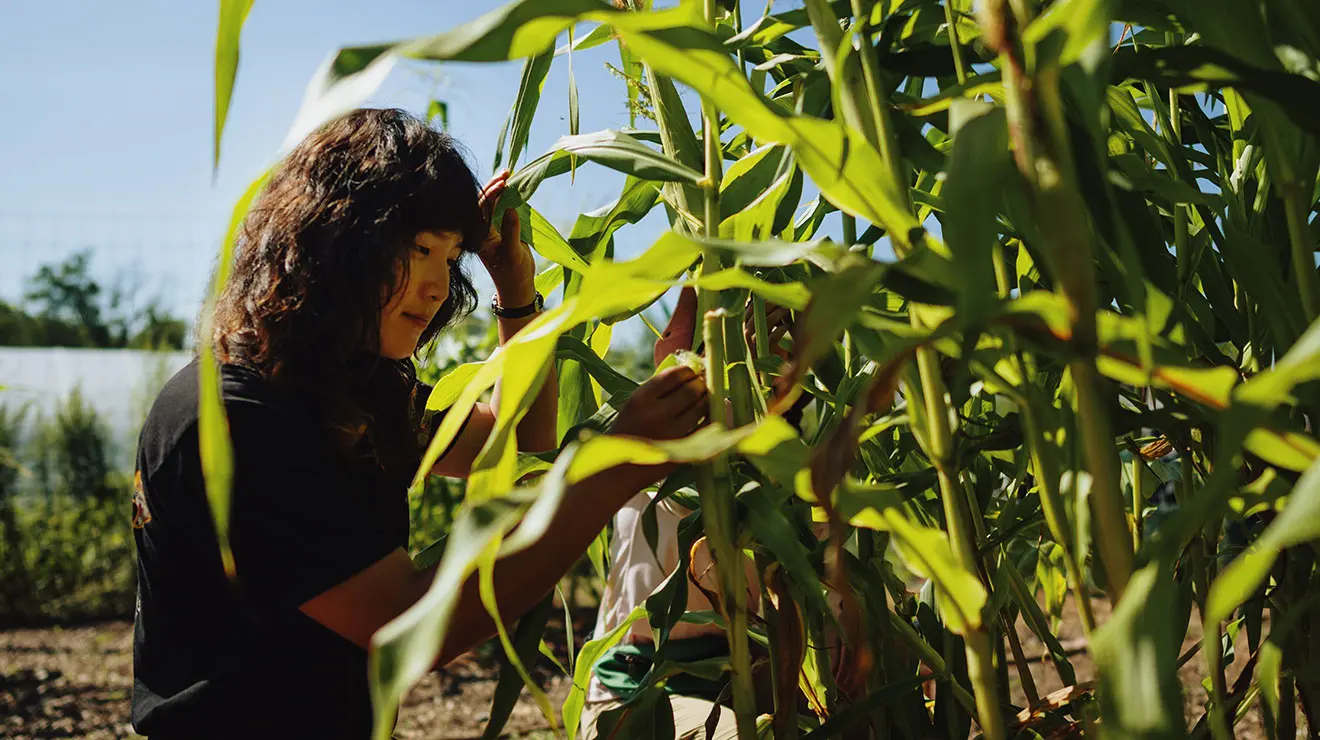
This summer, as the High Meadows Environmental Institute’s environmental internship program marked its 20th year, 122 undergraduates did hands-on research in labs on campus or at far-flung field sites in more than a dozen countries, including Costa Rica, Australia, and Mozambique.
Working primarily with Princeton faculty in environmental studies and engineering, the students are helping to tackle some of the world’s most innovative and vexing scientific topics, from climate modeling and renewable energy to water quality and “forever chemicals.” They also gain valuable skills that they can apply at Princeton and beyond.
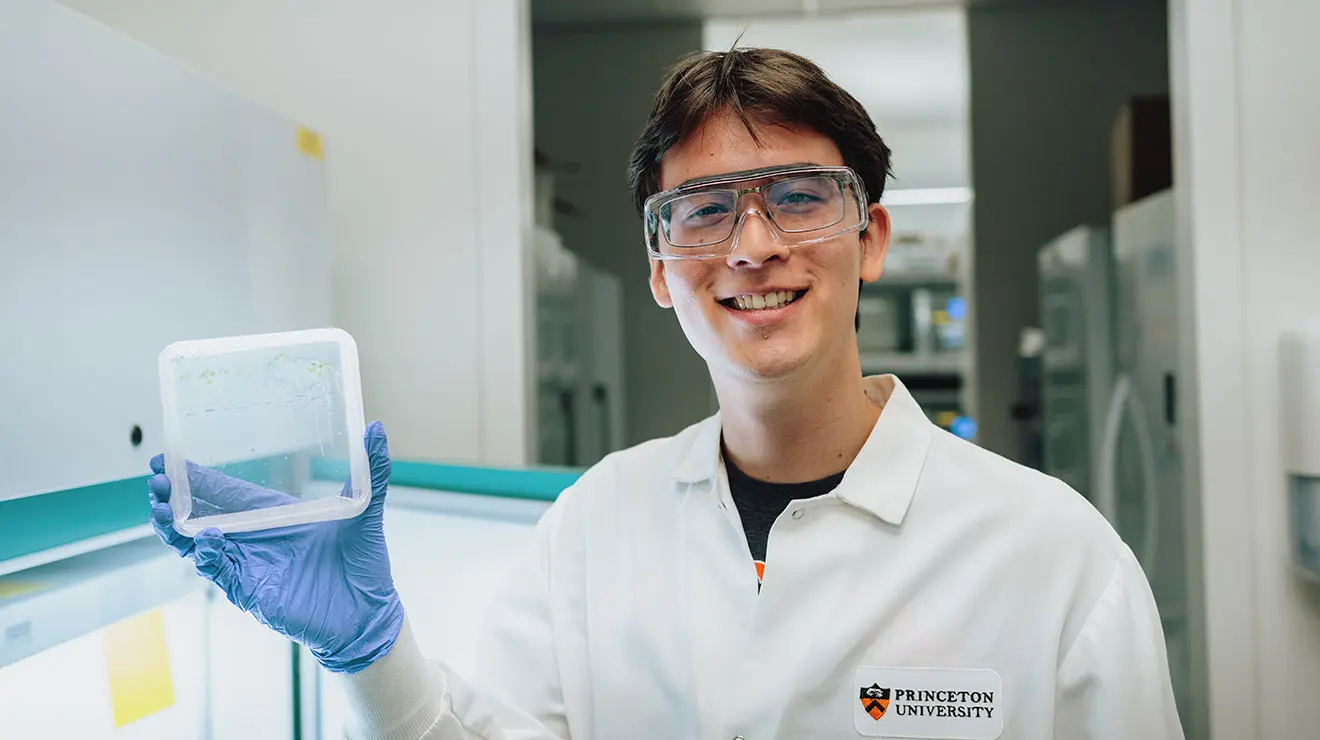
The life of a lab scientist relies on juggling multiple routines — taking measurements for an experiment, setting up cultures for the next week, and carving out time to run samples through a mass spectrometer. At least that’s the lab experience geosciences professor Bess Ward aims to create for her summer interns and the postdoctoral researchers and graduate students who serve as their mentors.
“You’re doing three things at once, which is really fun,” she said. “I really enjoy that sort of thing, and I think they do, too.”
Ottilie Sykes ’27, who has spent two summers working with Ward through the HMEI internship program, immersed herself in the lab, which focuses on the nitrogen cycle in the world’s oceans. In 2025, the last four weeks of her internship were spent at sea, sailing from Rhode Island to Bermuda and back to collect water samples and run experiments. This summer, she continued that work at Briger Hall, where she tracked properties of seawater exposed to the sun’s ultraviolet radiation. She plans to continue with the sunlight experiments as part of her senior thesis in geosciences.
“I got to collect all the water, and now I’m running the analysis,” Sykes said. “So I can see the full story, and I think that’s really rewarding.”
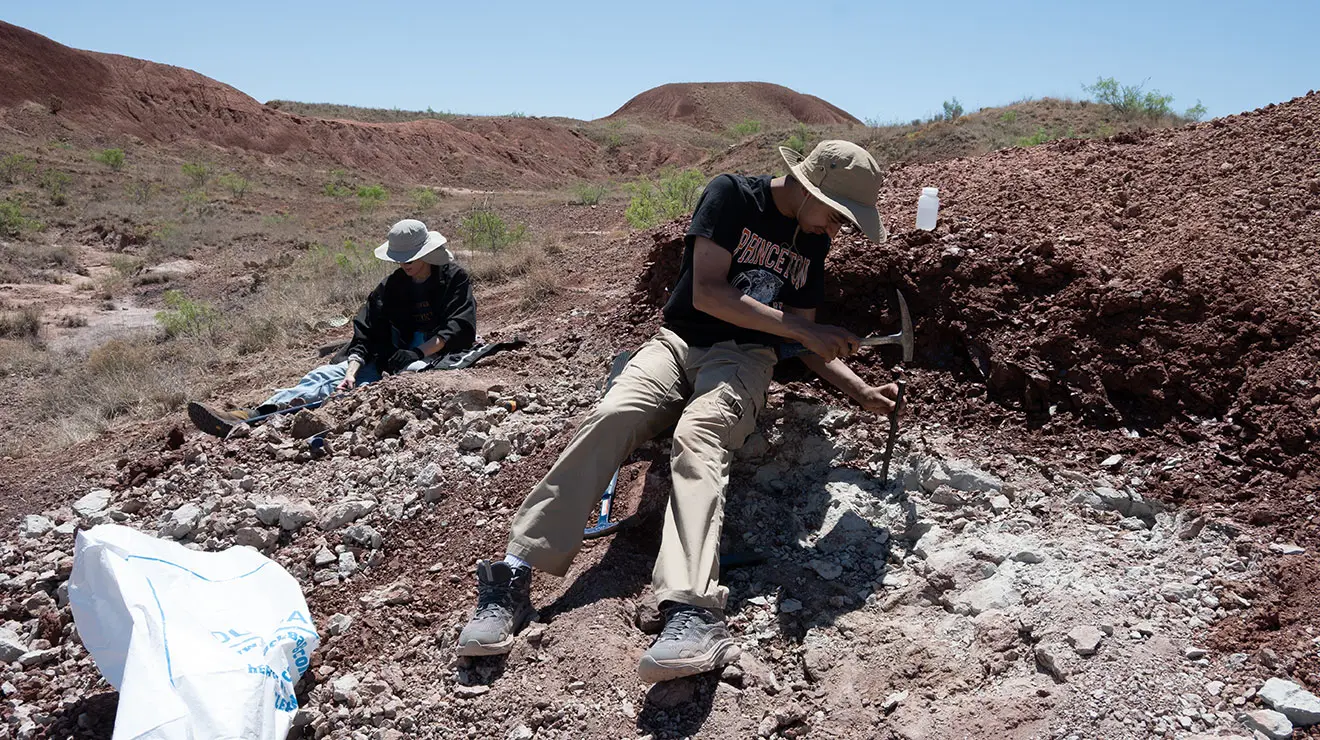
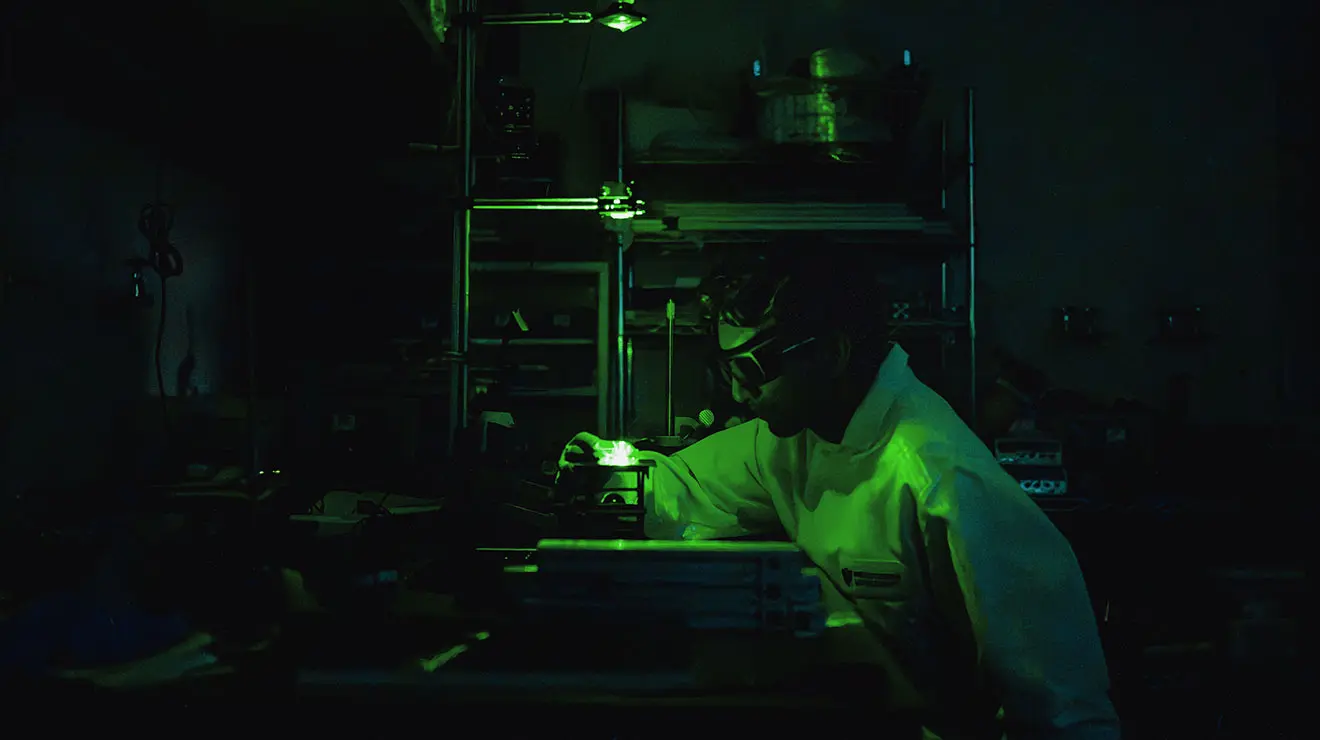
Elizabeth Niespolo, an assistant professor of geosciences, studies how geology and environments on Earth impact human evolution using samples that include biominerals such as eggshells. Last year, an intern was working with shell material from an elephant bird, the planet’s largest flightless bird, which went extinct about 700 years ago. “So the students are getting access to really cool samples,” she said. “But they’re also getting really important data that’s critical for the first steps of a lot of our research programs.”
The internships also provide uninterrupted lab experiences that prepare students for their junior and senior independent work. “They get a chance to really learn the skills by being around every day,” said Jonathan Conway, an assistant professor of chemical and biological engineering. “They have a head start.”
A summer or two of active research can go a long way toward helping a student decide on their path after Princeton. Celia Murphy-Braunstein ’25 had two HMEI internships as an undergrad — one with geoscientist Daniel Sigman and another in Ward’s lab. In the first, she said, she went from learning lab basics (how to hold a pipette) to presenting her findings at the internship program’s symposium in September. In the second, with Ward, she was introduced to the oceanographic research that would become the focus of her senior thesis.
“Both internships were really good experiences for me and sort of pointed me in the direction I am going down right now,” said Murphy-Braunstein, a Ph.D. student in earth and environmental sciences at Boston College. “Without them, I probably would be in a different position and maybe not even in a graduate program.”
The Latest
See all


Related News

McCarter Theatre’s First South Asian Musical Took Me Back to Forbes Basement
A Beat of Our Own is about a college dance team not unlike Princeton South Asian Theatrics


No responses yet