

New Princeton Baseball Coach Makes His Pitch for a ‘Sleeping Giant’

When Ryan Forrest, Princeton baseball’s new head coach, was working at the U.S. Air Force Academy in the fall of 2020, he got his first look at the new cadets on his pitching staff. The academy’s grueling, six-week basic training course tends to wear out even the strongest athletes, Forrest said, taking 5 to 10 mph off a pitcher’s fastball. But one freshman — an incoming catcher who coaches also saw as a potential relief pitcher — seemed unfazed, zipping pitches across the plate at 92 mph.
“That’s honestly when I knew that there was something special there,” Forrest said.
Baseball fans may know where this is going: The pitcher/catcher was Paul Skenes, and within five years, he would win the National League Cy Young Award with the Pittsburgh Pirates.
Skenes’ rise from service academy recruit to elite major league ace was unique, but so was the way that Air Force coaches embraced his uncommon gifts. In his freshman spring, Skenes led the Falcons in home runs, batting average, and slugging percentage, threw out nine base stealers as a catcher, and made 18 relief appearances on the mound.
“There were multiple times in which it’d be the sixth inning and he would rip off his catcher’s gear and he would run down to the bullpen and then he would [pitch the last three innings] and close a game out,” Forrest said. “It definitely opened my eyes.”
Whether Forrest’s Princeton teams will find creative ways to employ two-way players like Skenes remains to be seen, but the new coach plans to push a style of play that values mixing pitch types, throwing strikes, playing great defense, and creating havoc on the basepaths. That’s part of the pitch he is already making to the Tigers’ next recruiting class.
“This is the only league in which you can come and get a world-class education — at Princeton specifically, the best education in the country — and then also, you get an unbelievable baseball experience,” he said. “I firmly believe that this place is a sleeping giant.”
Forrest replaces Scott Bradley, one of Princeton’s longest tenured head coaches, who won seven Ivy League championships in 28 seasons and sent seven alumni to the major leagues. Bradley’s 474 career wins trail only Bill Clarke, the namesake of the Tigers’ home field, but his last Ivy title came in 2016 and his teams finished 8-13 in league games in each of the last two seasons. On June 1, the athletic department announced “a change in leadership within the Princeton baseball program,” beginning a national search for Bradley’s successor.
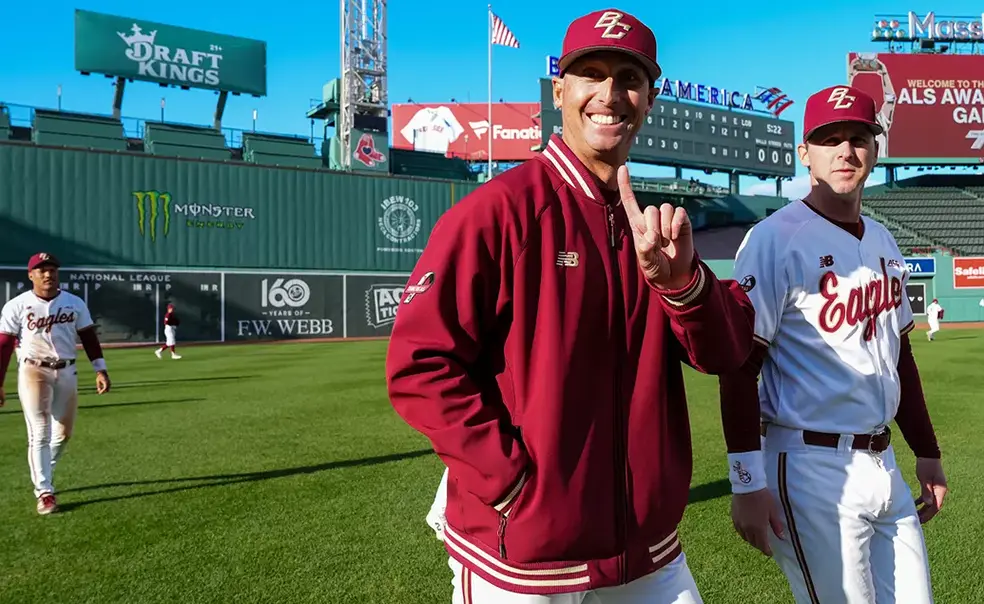
Forrest, a college pitcher at Maine and Creighton, has been a pitching coach for more than a decade, most recently at Boston College, which won 37 games and earned a trip to the NCAA Tournament in the spring.
“He is a proven teacher of the game who year after year has developed his student-athletes into better versions of themselves on the field and off,” athletics director John Mack ’00 said in a release when Princeton hired Forrest on July 20. “Everywhere Ryan has coached, his teams have improved season to season, competing for championships at both the conference and national levels.”
As of late July, Forrest was working to add assistants to his coaching staff. He said the best piece of advice he had received was to stick with his strengths and hire complementary coaches who are “knowledgeable, trustworthy, and that you enjoy being around.” Forrest also said he was looking forward to building relationships with his new players, who were competing in summer leagues from California to Cape Cod.
“I do believe that if we continue to develop our kids in their time here, and we continue to bring in the right type of player … we should be competing for Ivy League championships every year,” he said.
The Latest
See all


Related News

McCarter Theatre’s First South Asian Musical Took Me Back to Forbes Basement
A Beat of Our Own is about a college dance team not unlike Princeton South Asian Theatrics


No responses yet