

Supermodel Hoyt Richards ’85 Charts Recovery From ‘Cultic Relationship’
Richards is at the center of the new HBO documentary, Bring Me the Beauties: A Model Cult
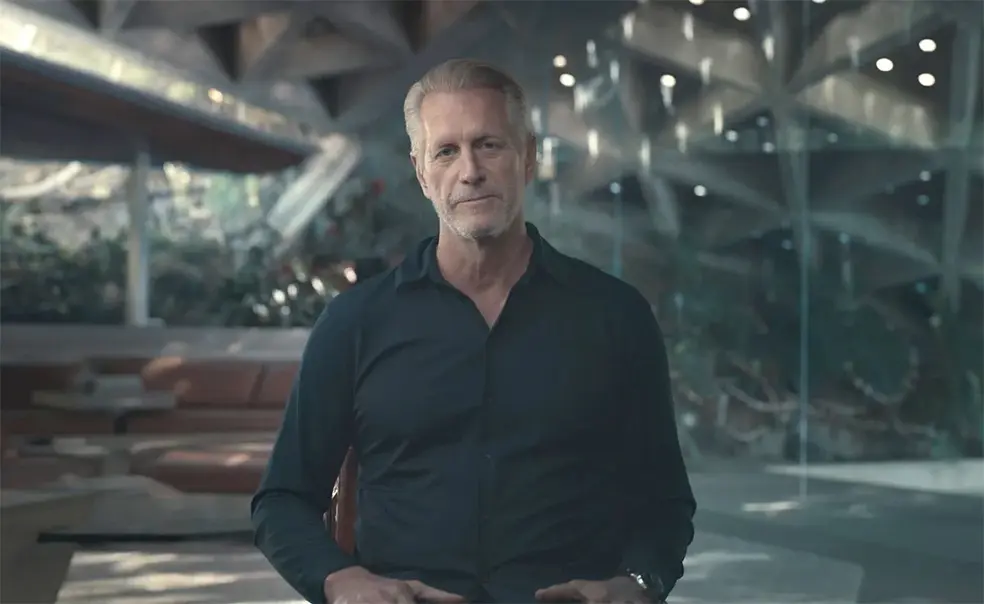

When Hoyt Richards ’85 was 16, he met a debonair young man on a Nantucket beach who insisted on confiding in him. “I wasn’t in any way alarmed,” Richards recalls. “I’m like, this guy definitely feels like there’s information that he feels is important to share with me, so I’m going to listen.” But at a certain point, the man pointed to Richards’ friends on the beach and said, “you know, you’re different than they are.” Richards remembers wondering whether he was indeed special. But as he considers now, “The more important question was, why was this person who I had just met acting like they knew me?”
Today, Richards recognizes that moment as his first step into a spider’s web. The young man was Frederick Von Mierers, a New York socialite who founded the Eternal Values cult, a New Age group whose members believed that they had been possessed by extraterrestrial spirits and that their status as alien “walk-ins” meant they were destined to lead human civilization through a millenarian apocalypse.
For the better part of two decades, Richards was under the spell of Eternal Values, until he managed to escape the group in 1999. His story forms the center of the recent HBO docuseries, Bring Me the Beauties: A Model Cult, named for the way Von Mierers recruited conventionally attractive people. Encouraged by the charismatic cult leader, Richards pursued an altogether unexpected career as one of the world’s top male supermodels, walking the glamorous runways of Milan before returning to Von Mierers’ New York apartment and sleeping on the floor.
Richards was born in Syracuse, New York, to a conventional middle-class family. At Princeton, he studied economics and played free safety for the football team, until a shoulder injury forced him off the field and into an identity crisis. During this vulnerable time, his growing acquaintance with Von Mierers provided a new outlet that offered access to the exclusive New York nightclub scene, including wild parties at the legendary Studio 54.
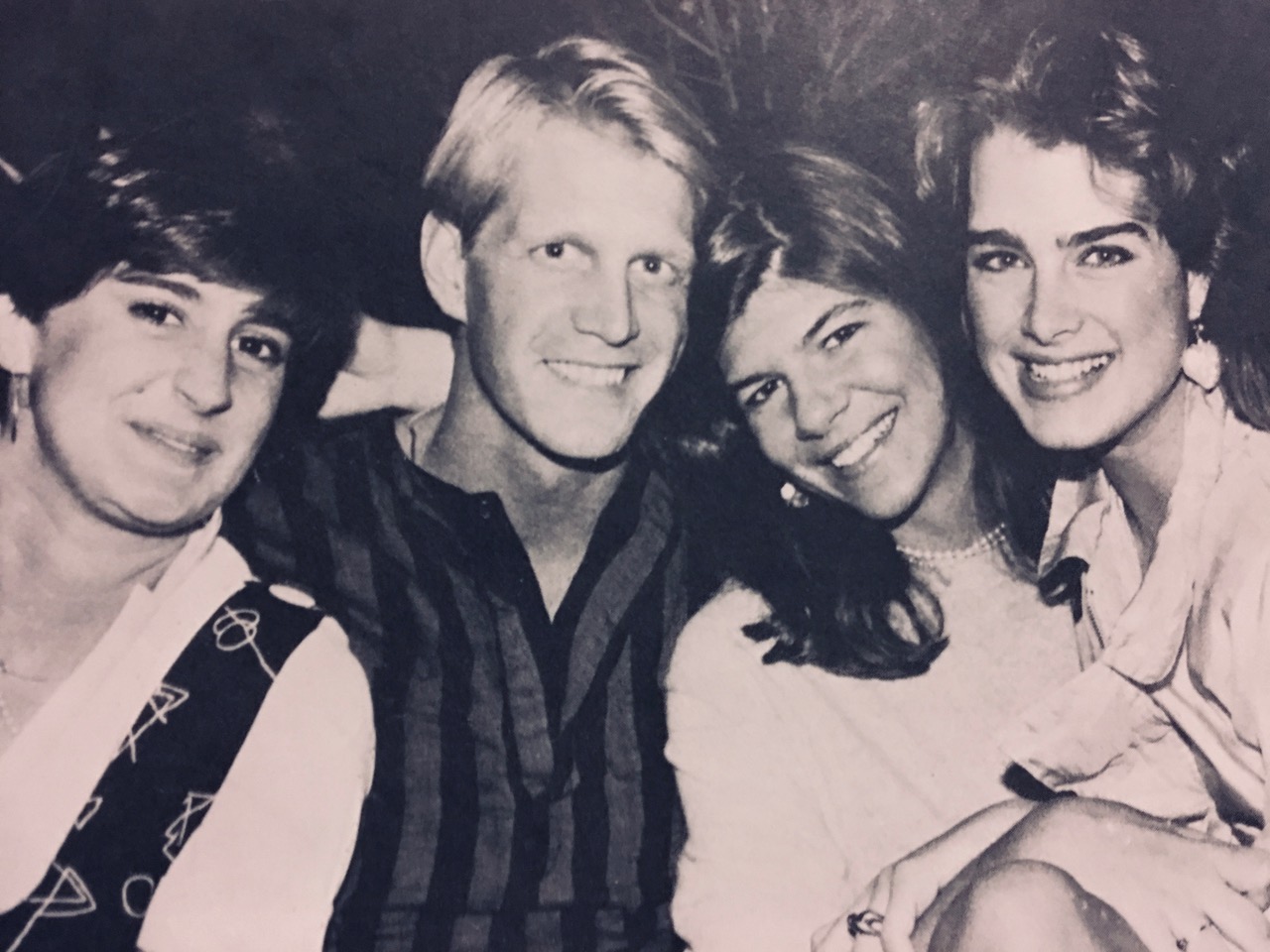
But as Richards increasingly fell in with Von Mierers’ circle, isolating himself from his family and friends, the exciting atmosphere faded into an ascetic lifestyle intended to prepare its members for the perceived coming end of days. After returning to the group from far-flung modeling gigs, he’d participate in household chores, but perhaps his greatest asset to Von Mierers was contributing a vast proportion of his considerable income. Richards told Page Six that he ended up giving between $4 and $5 million to the cult over the course of his involvement.
At the same time, Von Mierers exercised verbal, psychological, and sexual abuse over his followers. He mandated celibate lifestyles (until assigning sexual encounters between members of the group). He also enlisted his followers in a gemstone fraud scheme in New York’s Diamond District.
The hold of the group’s shared worldview was so strong that even after Von Mierers’ death in 1990, the group persisted in an enclave in North Carolina.
After a failed intervention in 1990 by Richards’ brother Rory Hoyt ’82 and Nicholas Donatiello ’82, Hoyt eventually tried to escape twice in 1999 but was captured and returned to the group’s compound. A third escape succeeded and led to his freedom, but his recovery took many years, and he began pursuing public advocacy to help people and families contend with cultic situations.
In 2020, Richards connected with filmmaker Chris Smith while consulting on the 2022 Netflix true crime docuseries, Bad Vegan, and the pair went on to collaborate on the project that became Bring Me the Beauties.
Because of the way cults have often been sensationalized in media, Richards prefers to call his past situation a “cultic relationship” with Eternal Values. He says the phrasing best describes how people give away their power to someone else and acknowledges that abusive relationships exist on a spectrum, whether they’re between family members, romantic partners, or colleagues in the same workplace.
“If people had this information,” Richards says, they “could start to acknowledge these cultic relationships that we all encounter in some form. Then I think a lot more healing could take place.”
Watch a trailer for Bring Me the Beauties:
The Latest
See all


Related News

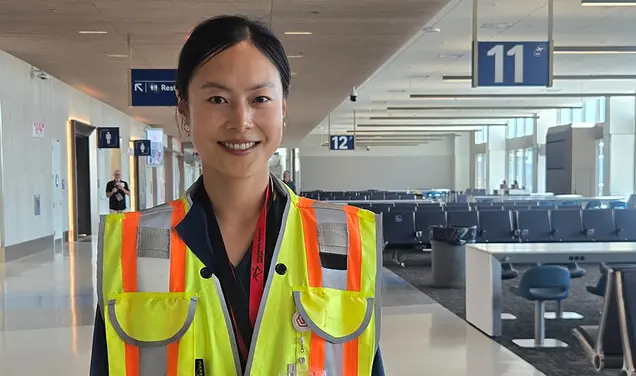
Janice Lee ’09 Worked to Renovate One of Hollywood’s Best-Kept Secrets
An engineer by training, Lee has been deputy project manager on the renovation of Hollywood Burbank Airport

1 Response
Cecilia Peck ’80
2 Months AgoA Helpful, Instructive Story
Harrison, your pieces are always so clear and concise. I hope Hoyt’s story helps others develop a radar for people who initially seem caring and attentive, but who turn out to be manipulative and harmful. If it could happen to Hoyt it could happen to anyone.