

Local Politicians Are Thinking Twice About Serving
A Princeton study finds widespread hostility toward local officials in what one mayor calls “the age of rage”
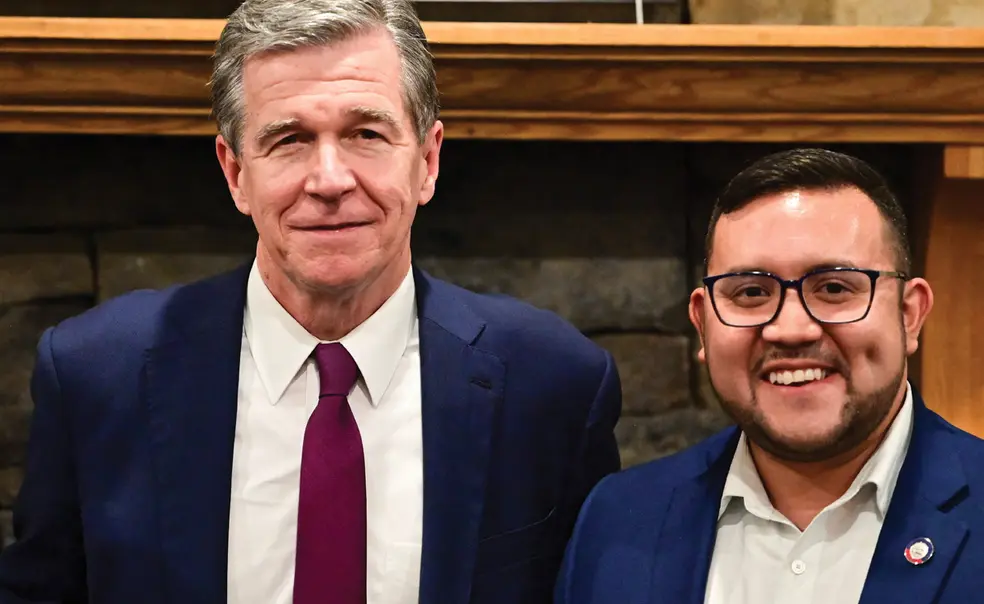

Ricky Hurtado *15 won his race for a seat in the North Carolina House of Representatives in what he described as “the last place people would imagine getting a first Latino elected official” in 2020. His path to victory was at times harrowing.
Despite campaigning on healthcare, public education, and public safety, Hurtado says the political atmosphere of President Donald Trump’s first term led people “to boil [my candidacy] down to my identity and my positions to just one of immigration.”
Hurtado, a Democrat who ran in North Carolina’s historically conservative 63rd District, reported being stalked outside his home and says he constantly worried about his canvassers, one of whom had their windshield smashed after parking in a more conservative neighborhood. He also faced a barrage of attack ads on TV and in the mail that he says used immigration as a racist dog whistle.
Related coverage
History Is in Terri Sewell ’86’s Hands
The congresswoman brings lessons from Selma, Alabama, to today’s voting-rights fight
Hurtado’s experience reflects the hostility confronting many local elected officials. According to a nationally representative sample of 460 officials surveyed by Princeton’s Bridging Divides Initiative and CivicPulse, 54% of local elected officials reported experiencing some type of hostility during the first quarter of 2026. Researchers described that figure as an “elevated baseline” that has persisted since the survey began in 2022, with spikes around election season.
Women, minorities, and newer officials reported the greatest risks, while hostility did not vary significantly by political affiliation.
“Hostility is an issue that cuts across party lines (at least at the local level that we’re tracking here), and requires collective solutions,” researchers at the Bridging Divides Initiative said in an email to PAW.
Indya Kincannon *99, mayor of Knoxville, Tennessee, says she faces online and in-person hostility that “never happened” while working for her predecessor, Madeline Rogero.
“Things are worse now,” she says, pointing to the decline of manufacturing, the rise of social media use, and Trump’s belligerence as contributors in what she calls “the age of rage.”
“People are so mad about so many things, and they use their local government as a stage, a place to release steam,” Kincannon adds.
Under municipal law, Kincannon ran as a nonpartisan candidate but governs as a Democrat in a Republican-majority state. She often receives online threats from conservatives outside her more progressive city and has had multiple trespassers on her property. She tries to avoid partisan rhetoric and focus on municipal issues that cross party lines.
Tina Courpas ’88, a moderate Republican serving in the Connecticut State House of Representatives and a former Wall Street banker, takes a similar approach, focusing on the state’s fiscal problems.
Despite serving in a heavily Democratic state, Courpas says she has never felt unsafe. Instead, her biggest challenge in seeking reelection this November is distinguishing herself from the national Republican Party.
“I do not have an ability to affect the war in Iran, I do not have an ability to affect gas prices,” she says, urging voters to split the ballot on state and national races.
But national politics can be difficult for state and local officials to escape.
Nellie Gorbea ’88, Rhode Island’s first Hispanic secretary of state from 2015 to 2023, says she received threats for her role in overseeing mail-in voting during the 2020 presidential election, as Trump repeatedly attacked the electoral process. After the Jan. 6, 2021, insurrection on the U.S. Capitol, Gorbea recalls having to explain to her young children, whom she had promised ice cream earlier that day, why a state police officer was suddenly stationed at their house.

Zack Zappone *19, a city council member in Spokane, Washington, has seen fewer candidates running for local office in recent years. “Part of it is the pay,” he says, “but part of it is that they don’t want the hostility.”
Spokane’s first openly queer city council member, Zappone has faced repeated attacks online and in public over his identity. During a Pride parade early in his first term, he recalls feeling “cognitive dissonance” as he enjoyed the event with his kids from inside an armored vehicle.
Shannon Hiller *15, Bridging Divides Initiative’s executive director, says officials tend to downplay harassment when speaking with researchers, fearing they will discourage others from seeking office. According to the Bridging Divides Initiative survey, 43% of officials reported being less likely to run for reelection due to hostility, and 37% were hesitant to participate in public events.
Despite the hostility, Zappone remains optimistic about making Spokane a more welcoming city. After two weeks of targeted vandalism on public LGBTQ+ spaces in 2023, he and other city leaders passed a bill making certain hate crimes involving public property felonies.
Politics doesn’t always have to be contentious, however.
Samuel Vilchez Santiago ’19, the son of Venezuelan refugees and an openly queer Democrat running to represent Florida’s 43rd House District seat, says his campaign in the historically liberal East Orlando has been largely “friendly.”
During this midterm season, Vilchez says he defers to an enduring tenet of politics: It’s the economy, stupid.
The Latest
See all


Related News
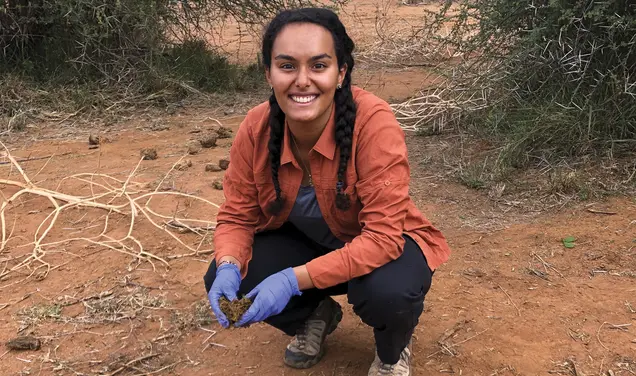
Dung Beetles Do ‘the Job That Is Necessary’
Princeton researcher Finote Gijsman *25 studies crucial links between the insects and elephants in a new paper

No responses yet