Featured Image
Image

Hey, Brooke Shields ’87
Subhead
You’ve spent your whole life in the public spotlight as a model, entertainer, and author. Tell us … Now what?
Holding on to Jewish life; Katy Anderson Keating ’08’s career in wine; Hollywood loves Princeton.

You’ve spent your whole life in the public spotlight as a model, entertainer, and author. Tell us … Now what?
James Tralie ’19 is there when NASA makes news, explaining the deep science of historic achievements and having the time of his life doing it.
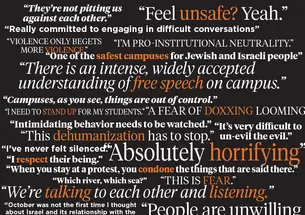
With tension high over the Israel-Gaza war, can Princeton avoid uglier incidents seen at other universities?
Princeton’s toughest classes may not look the same, but that doesn’t mean academic rigor is suffering.
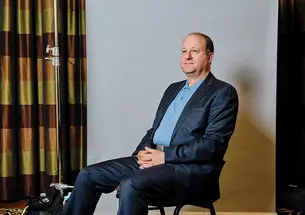
He’s been a wildly successful entrepreneur, member of Congress, and a groundbreaking governor. What’s next for Jared Polis ’96?
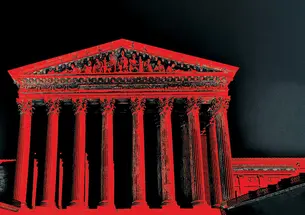
Will Princeton’s next freshman class look less diverse after the Supreme Court’s recent ruling?
Calvin Van Zytveld ’19 is a gifted musician whose life changed when he became blind three years ago
Edoardo Almagià ’73 ‘got away’ with trafficking looted Italian antiquities for decades, says the Manhattan district attorney’s office. Now the Princeton University Art Museum and other museums are facing scrutiny...
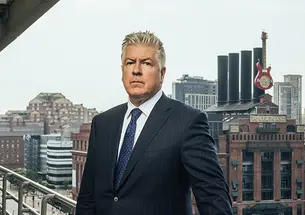
M. Evan Corcoran ’86 was up for a challenge when he took on Steve Bannon and Donald Trump as clients, and they have not disappointed
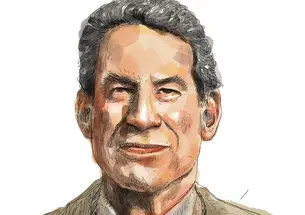
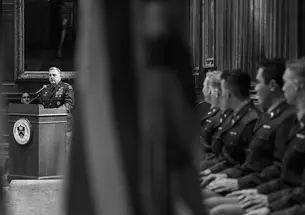
Gen. Mark Milley ’80 enters the final days of his unprecedented tenure as chairman of the Joint Chiefs of Staff
These five alumni want to harness the power of the Princeton community to address sustainability issues
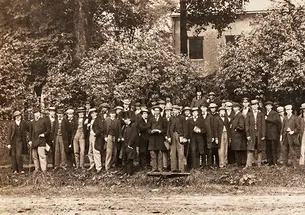
A Northern school with Southern ties, the College suffered from on-campus strife, declines in enrollment, and student and alumni deaths
Reliving Reunions 2023
Shaun Cason ’23 ranks among the graduating class’s most promising scholars and unique stories
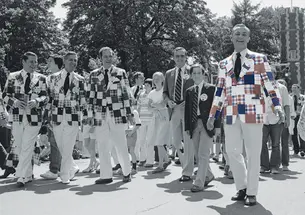
The class that dared to ditch orange and black
Princeton is raising more money than ever, yet participation rates are declining. What gives when it comes to Annual Giving?
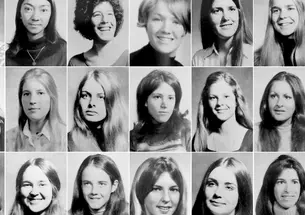
They were isolated and harassed. They were nurtured and supported. They were Princeton’s first four-year undergraduate class of women.
Since 2019, Gary King ’79 has engaged and delighted as narrator of the signature Reunions event
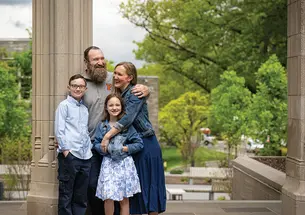
Rabbi Gil Steinlauf ’91 returned to Princeton last year to lead the Center for Jewish Life. He found big changes — and big challenges
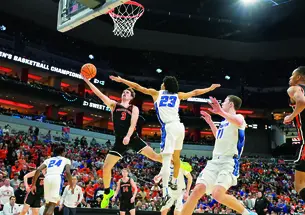
Joy and togetherness define an indelible March Madness run
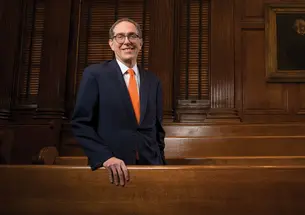
Christopher Eisgruber ’83 answers your questions (and ours) on his 10 years at Nassau Hall
Influenced by their time at Princeton, these eight alumni are working to address climate change
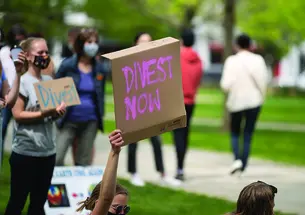
How a broad coalition of students and alumni have built Divest Princeton into a sustainable and influential climate activist group
Tigers at the State Department are helping to forge international agreements around climate change