

To Be ‘Welcoming,’ Town of Princeton Adds Housing

Under a series of decisions known as the “Mount Laurel Doctrine,” the New Jersey Supreme Court ordered the state’s municipalities to expand affordable housing beginning in 1975. The new governor, Mikie Sherrill, and the state legislature have supported that effort.
The town of Princeton has constructed nearly 1,000 units, exceeding its requirement, since 2021, council president Mia Sacks says. “But it’s not about numbers. We’re looking at it as an opportunity, not an obligation.” The developments are situated to minimize the loss of green space and “to put people within walkable, bike-able distance to schools, jobs, and shopping,” Sacks says.
She also championed a 2021 ordinance, which The New York Times called “one of the most progressive in the region,” allowing accessory dwelling units (ADUs), also known as in-law suites. Princeton’s unusual because it permits an ADU to be sold separately from a primary residence.
Related coverage
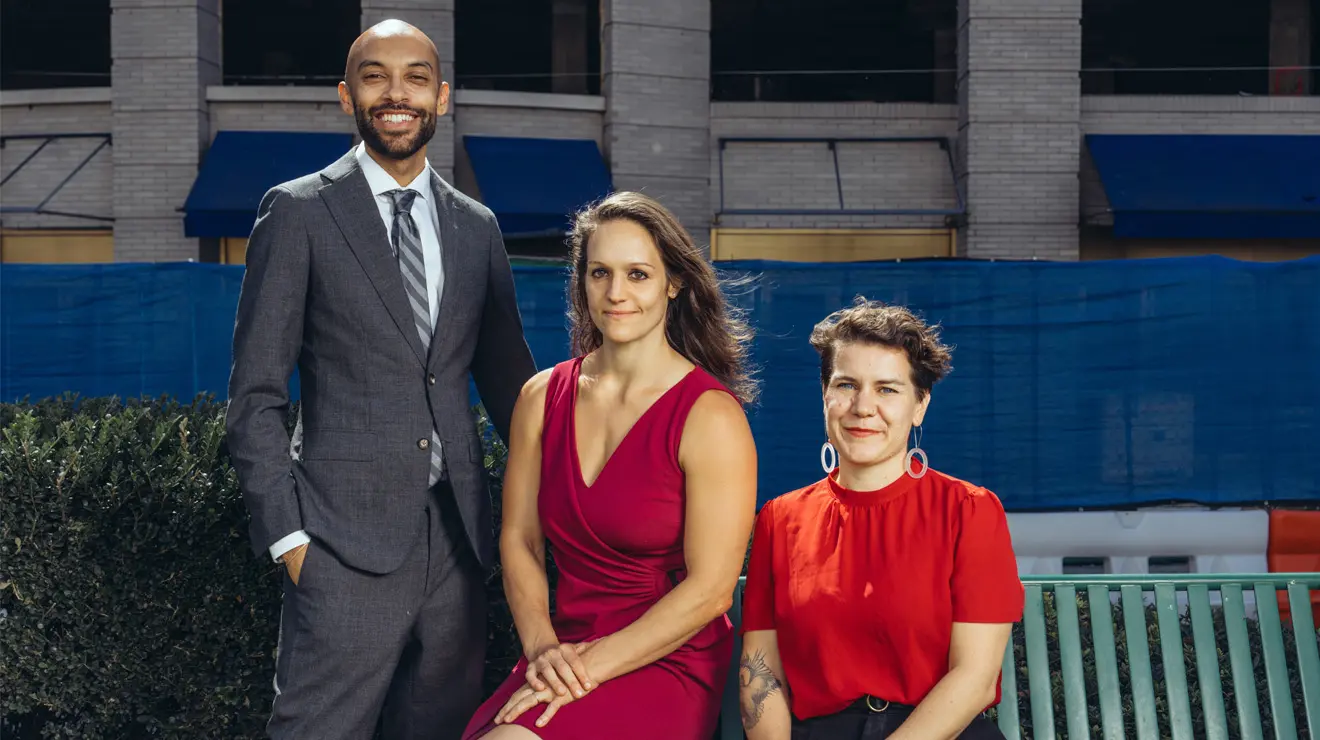
Saying ‘Yes’ to Housing
Princetonians lead the YIMBY movement to expand supply nationwide
Sacks received the Distinguished Leadership Award from the New Jersey chapter of the American Planning Association in 2022.
Not everyone is a fan. “There is real pushback in the town,” Sacks says. “We have multiple lawsuits.”
In December, the group Save Jugtown successfully pushed for a scaled-down redevelopment project at Nassau and Harrison streets. And Defend Historic Princeton is trying to block a planned 238-unit mixed-income apartment complex on land that used to be part of Princeton Theological Seminary’s campus.
Sacks sees multiple benefits from the growth: increased housing for University employees, revitalized business for the commercial center, and greater opportunity to benefit from Princeton’s public school system. “We talk about being a welcoming town,” she says. “We are working to make it a reality.”
The Latest
See all


Related News
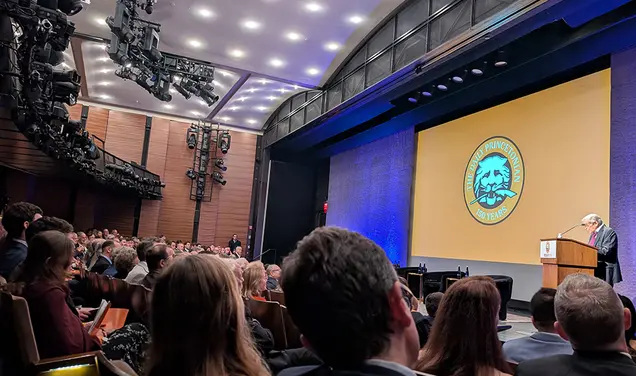
With Prominent Journalists and Hoagies, the ‘Prince’ Celebrates 150 Years
A gala at the New York Historical raised roughly $400,000 for the independent student newspaper


No responses yet