

Elizabeth Tsurkov Welcomed Back to U.S. at Reception in Washington
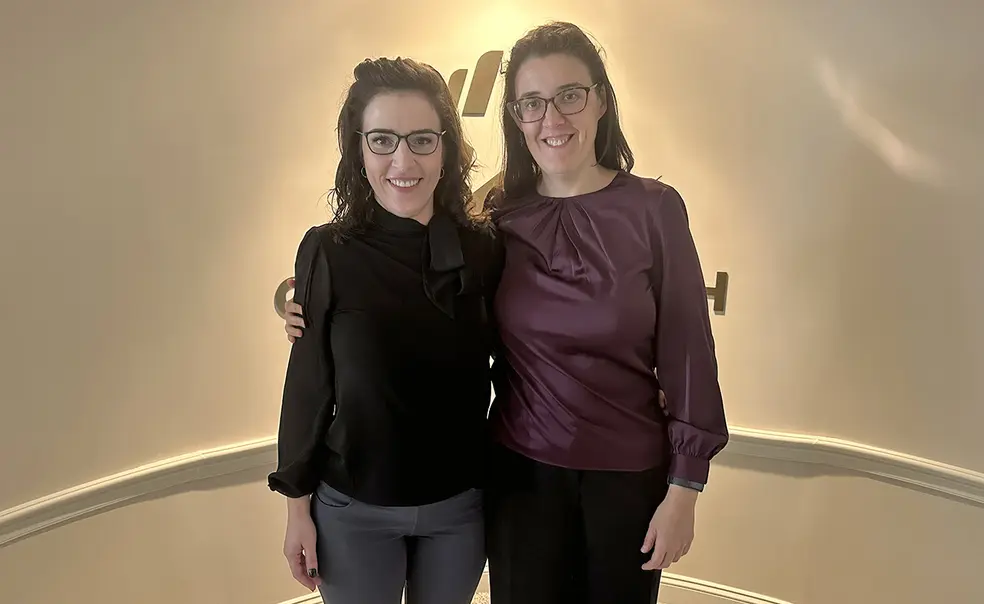

Adorned with a gifted “Back by Popular Demand” sash, Princeton Ph.D. student Elizabeth Tsurkov celebrated her freedom after 903 days in captivity at a reception in Washington, D.C., on Jan. 28, making her first trip back to the United States since her release in September. She was surrounded by family and friends at the D.C. headquarters of Global Reach, along with “a room full of wonderful angels of strangers who worked on my behalf,” she told the crowd of about 40.
During his brief remarks, Adam Boehler, the special presidential envoy for hostage affairs, said he and his team “are like President Trump’s freedom fighters. … We work really hard and we don’t see our families, but we get people out.”
During her roughly two-week stay in the nation’s capital, Tsurkov is meeting with politicians, members of the media, and others who helped free her from Kataib Hezbollah, the Shiite militia group that kidnapped her in March 2023 in Iraq, where she was conducting research for her approved dissertation topic. She met Sen. Ted Cruz ’92, R-Texas, and plans to meet with Rep. Jamie Raskin, D-Md., and others in Congress. She is also meeting with organizations that worked to secure her release, such as Global Reach, a nonprofit dedicated to returning hostages that worked closely with the Tsurkov family throughout the ordeal. Global Reach, in addition to holding the reception, is hosting Tsurkov and her three siblings during their time in Washington.
At the reception, Sebastian Gorka, deputy assistant to the president and senior director of counterterrorism, credited the release of Tsurkov and 90 other hostages who have been returned to America in the last year to President Donald Trump. “It may have been the Israelis or the Russians who should have brought you out and didn’t, but you are home now,” Gorka said. “Welcome home.”
“I wouldn’t have survived this for much longer,” said Tsurkov, a dual Israeli-Russian citizen, expressing her gratitude for “American power.”
The morning of the event, Tsurkov and her sister, Emma, who was vocal in campaigning on her sister’s behalf, spent more than hour answering reporters’ questions.
Emma Tsurkov said she felt a change once President Trump took office. She immediately got in contact with Boehler, who “was so on it. It was so clear that he did not come to play games and have 17 different layers of debates on whether my sister’s name can even be mentioned” to Iraqi leaders.
Elizabeth Tsurkov said she will soon return to Israel where she is undergoing physical therapy, therapy, and necessary medical procedures due to the vicious torture she endured.
She is continuing to work on her Princeton thesis from afar.
“I’m in contact with my professors, with my committee,” she said. “I’ve recently sent them a draft of a chapter in my dissertation. So, I’m very determined to get that done.”
Related coverage
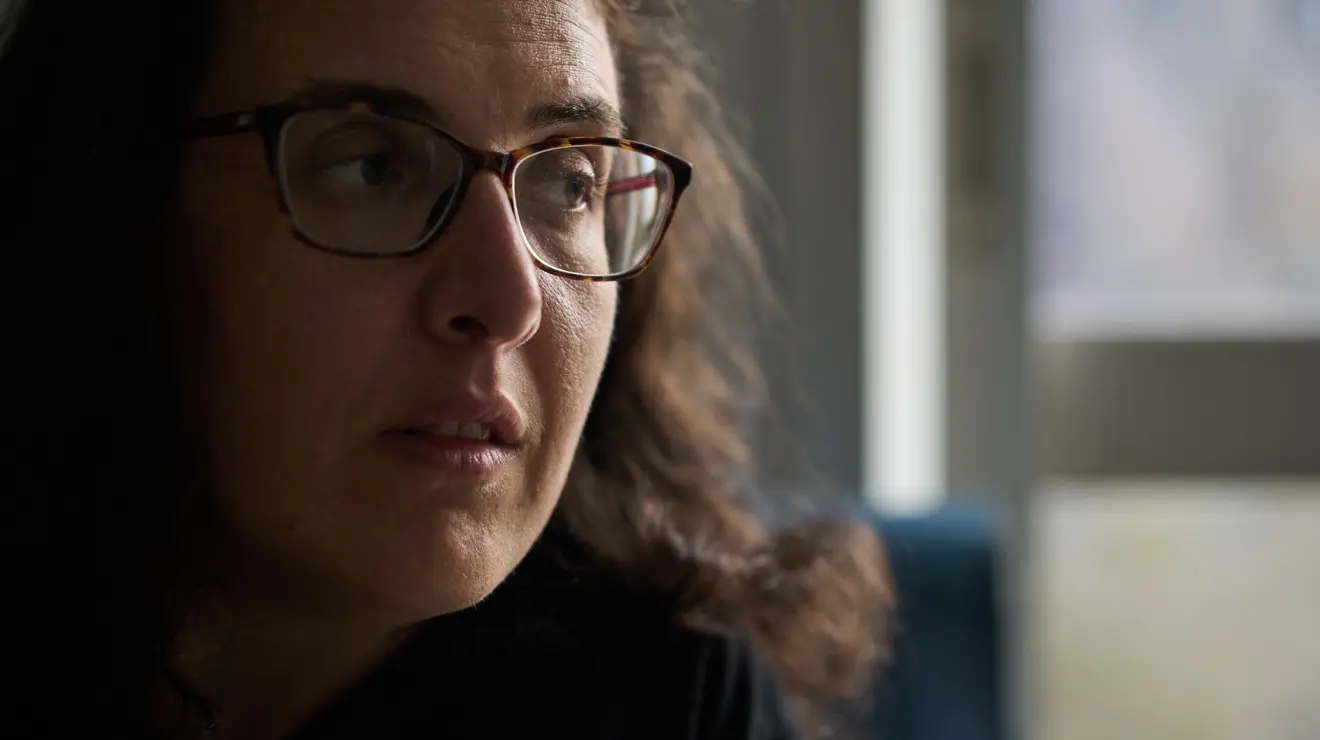
Kidnapped and Freed, Elizabeth Tsurkov Continues Ph.D. Research
She is also planning to write articles to share insights she learned while she was in captivity. “I feel that it’s very important to share them, you know, given the price I paid to gain them.”
She wants to settle back in the United States once she can again live independently, but she’s not sure if that means returning to Princeton.
“Since I’m just writing the dissertation, I don’t need to be physically there. Of course, I do intend to visit campus. I have friends there,” Tsurkov said, but she also feels that “Princeton can be somewhat of an isolating experience. Everyone is holed up in their own home or office just working on their Ph.D., so that may be not the best environment for me.”
At one point during the interview, she stopped mid-sentence to wince and rub her leg, which she said was in pain due to sciatica from a hernia.
Despite her ailments, Tsurkov reflected that all she endured made her realize what she had previously taken for granted, like “the sun, its warmth on my skin, the ability to choose what I eat, the ability to log online, follow the news” and, of course, to be with loved ones.
“I’m happy to be free. I’m happy to be alive.”
The Latest
See all


Related News
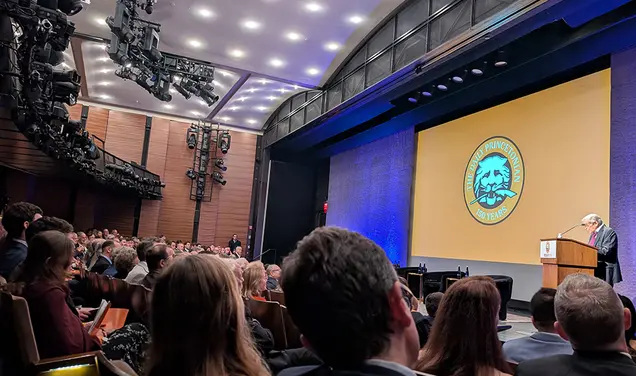
With Prominent Journalists and Hoagies, the ‘Prince’ Celebrates 150 Years
A gala at the New York Historical raised roughly $400,000 for the independent student newspaper

1 Response
Steve Geiger
8 Months AgoAward Nomination for Tsurkov
At the Mensch International Foundation, we have nominated Elizabeth Tsurkov for the Mensch Award