

Museum Director James Steward’s Must-See Artworks
If you can’t see everything, Steward says, at least get to these five artworks
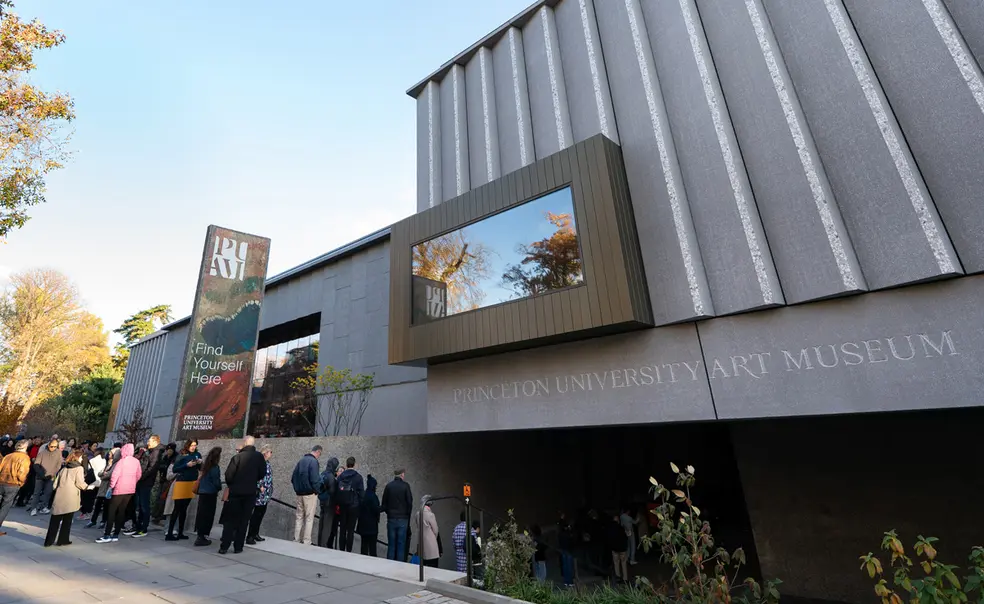

One comment I hear most frequently from visitors touring the new Princeton University Art Museum is that it is impossible to see everything in a single day. The building has quadrupled our gallery space, allowing much of the collections to be displayed on a single level. The arrangement creates moments of surprise and wonder through unexpected juxtapositions of objects, moments of intersection as cultures and chronologies connect, and sightlines that guide you toward masterpieces anchoring the collections beyond.
There is no single prescribed pathway through the museum, leaving you free to choose the direction(s) that most strike you. Regularly punctuated with views in all four directions across campus, the building allows for dynamic engagement, quiet contemplation, or social experiences — whatever suits your needs.
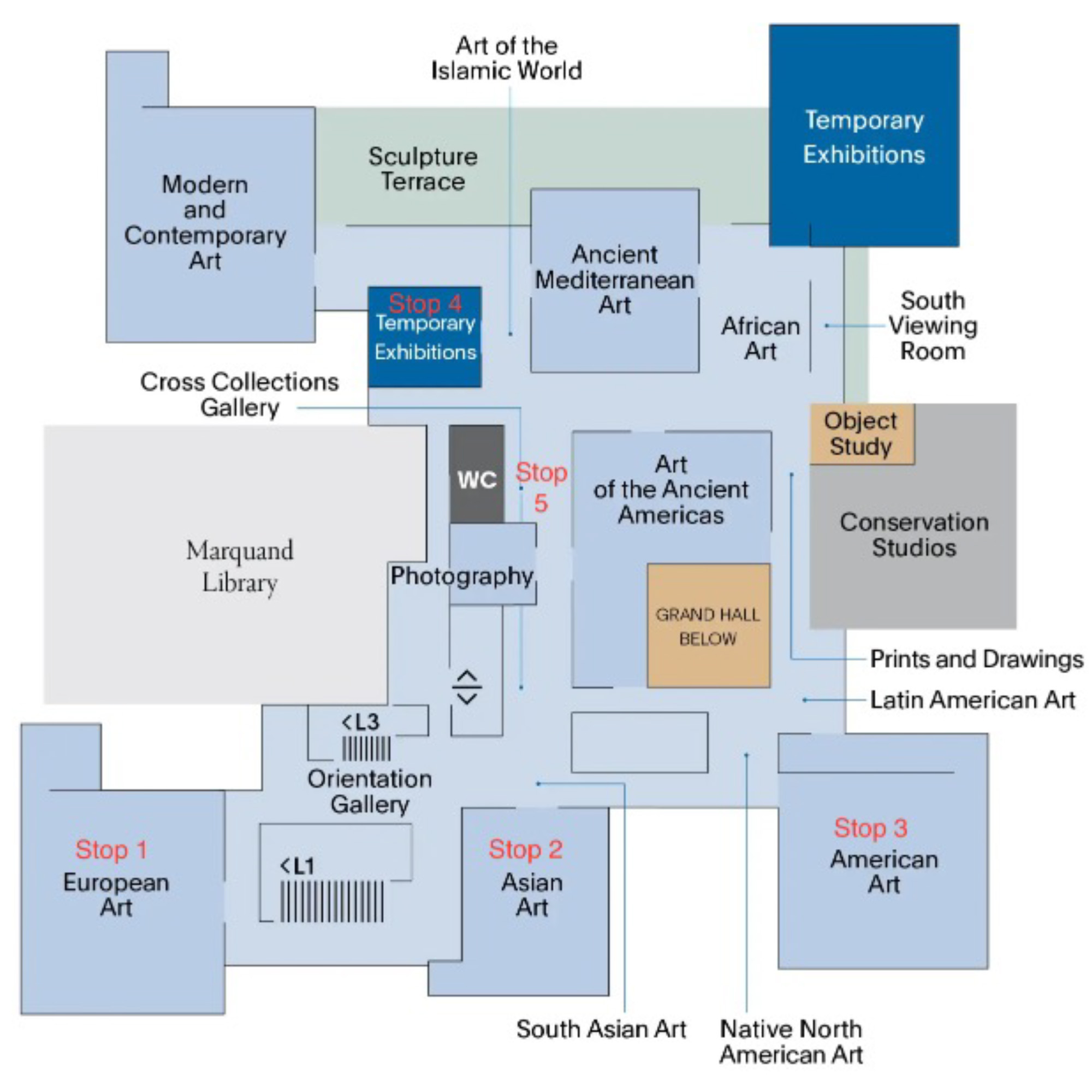
Whether you have 30 minutes at Reunions or three hours at another time, I have selected five must-see stops featuring important objects (or pairs of objects) that might not already be on your radar. Follow this quick itinerary to be introduced (if you haven’t visited yet) to your new art museum.
Start on the second level, in the Pavilion of European Art.
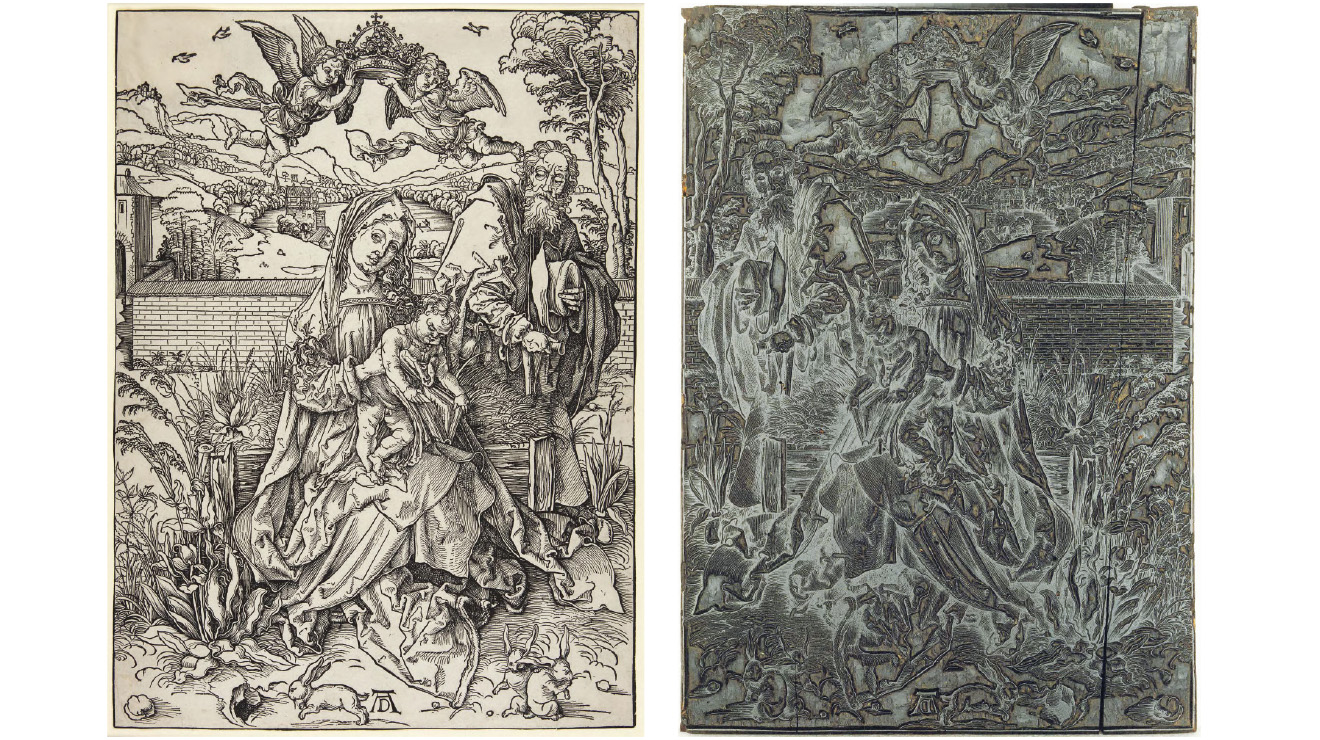
Stop 1. Albrecht Dürer’s The Holy Family with Three Hares, ca. 1497–98, woodcut and the original woodblock
This juxtaposition of a woodcut with the original, hand-carved woodblock from which it was printed is nearly unique — only a handful of the original woodblocks survive — and offers profound insight into the craft of the artist widely credited with revolutionizing European printmaking.
To create the block from which the print was later made, Dürer first drew directly on the woodblock and then carved around the lines of the drawing. The block was then inked, and a dampened sheet of paper pressed on top, creating a mirror of the original drawing that could be easily reproduced and distributed. For its time, this was a radical act — equivalent perhaps to the creation of social media in our own time.
Walk through the Orientation Gallery to the Huo Pavilion.
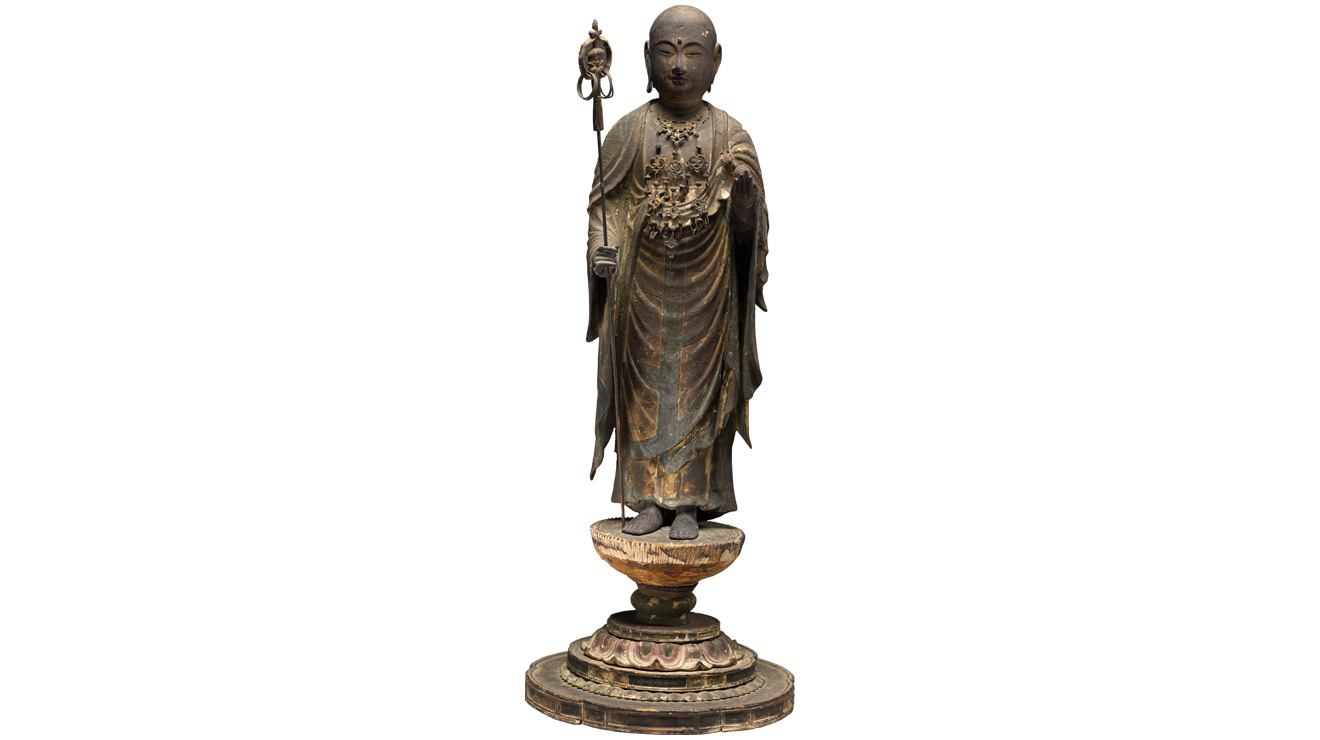
Stop 2. Standing Jizō Bosatsu, 13th century, wood and metal with color and gold
I had the privilege of purchasing this lovely statue of Jizō — one of Japan’s most beloved Buddhist deities — for the museum in 2018 while traveling with two now-retired colleagues. Its well-preserved polychrome paint and fine cut gold decoration drew our eyes from across a Tokyo gallery, such that we had to avoid making eye contact lest we signal our interest too clearly to the dealer and thus lose any negotiating position we might have. We immediately agreed the work would be a standout addition to our collections, both for teaching about Japanese art, history, and religion, and for its remarkable, restrained beauty.
Jizō is believed to help free people from hell, guide the faithful to the Pure Land, and answer prayers for health, success, and children. He holds a “wish-granting jewel,” used in granting salvation, and a six-ring staff to dispel worldly delusions.
Exit the Huo Pavilion, turn right, then walk straight ahead to the Wilmerding Pavilion of American Art.
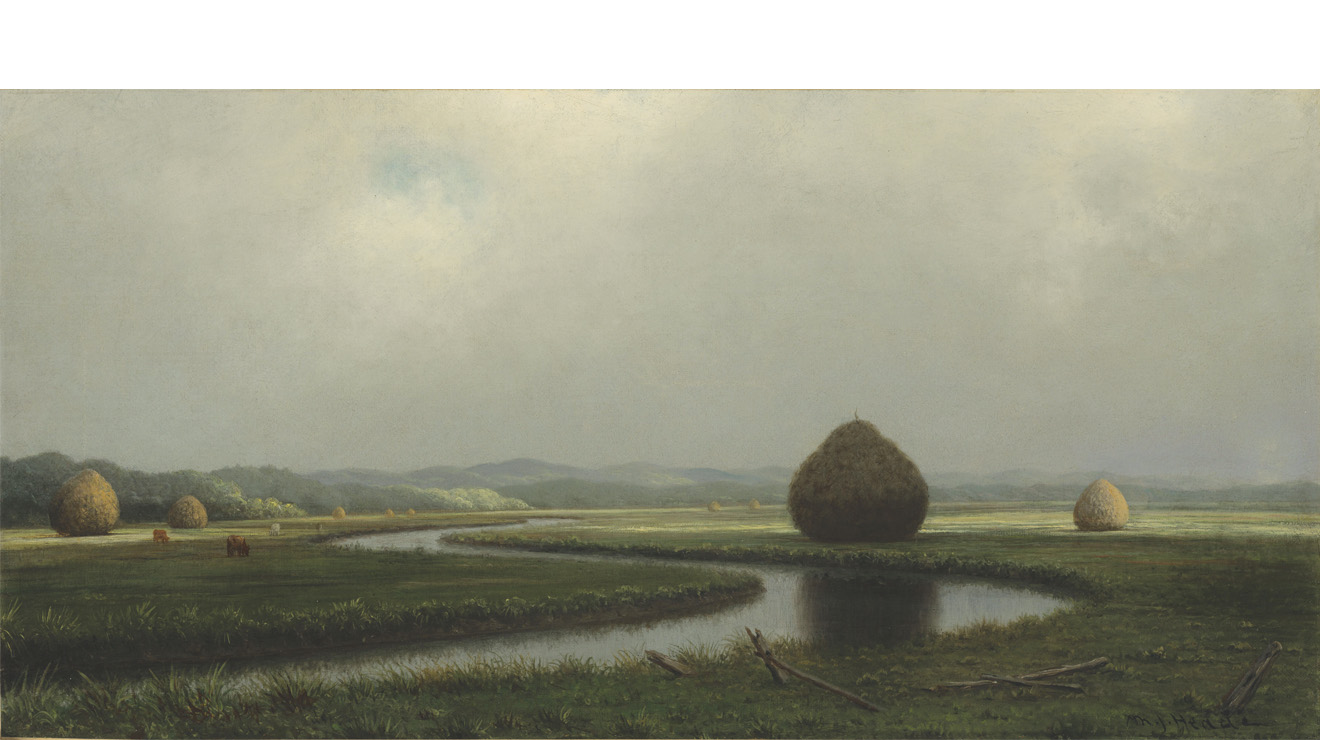
Stop 3. Martin Johnson Heade’s Newburyport Marsh (Marsh Haystacks), ca. 1871–75, oil on canvas
A landscape painting by the incomparable 19th-century American painter Martin Johnson Heade had long been at the top of the museum’s wish list, so we were thrilled when a private dealer brought this to our attention.
It is a particularly glorious example of “Luminism,” a term coined by the mid-20th-century curator John Baur to describe a circle of artists concerned with the effects of light on muted scenes of nature. Along with its companion to the left, by the luminist painter Fitz Henry Lane, the painting offers a striking parallel to the advent of Impressionism in France in the same decade, a movement similarly absorbed by the effect of light on previously unexalted landscape settings.
Make your way to the Allen Adler & Frances Beatty Adler Gallery.
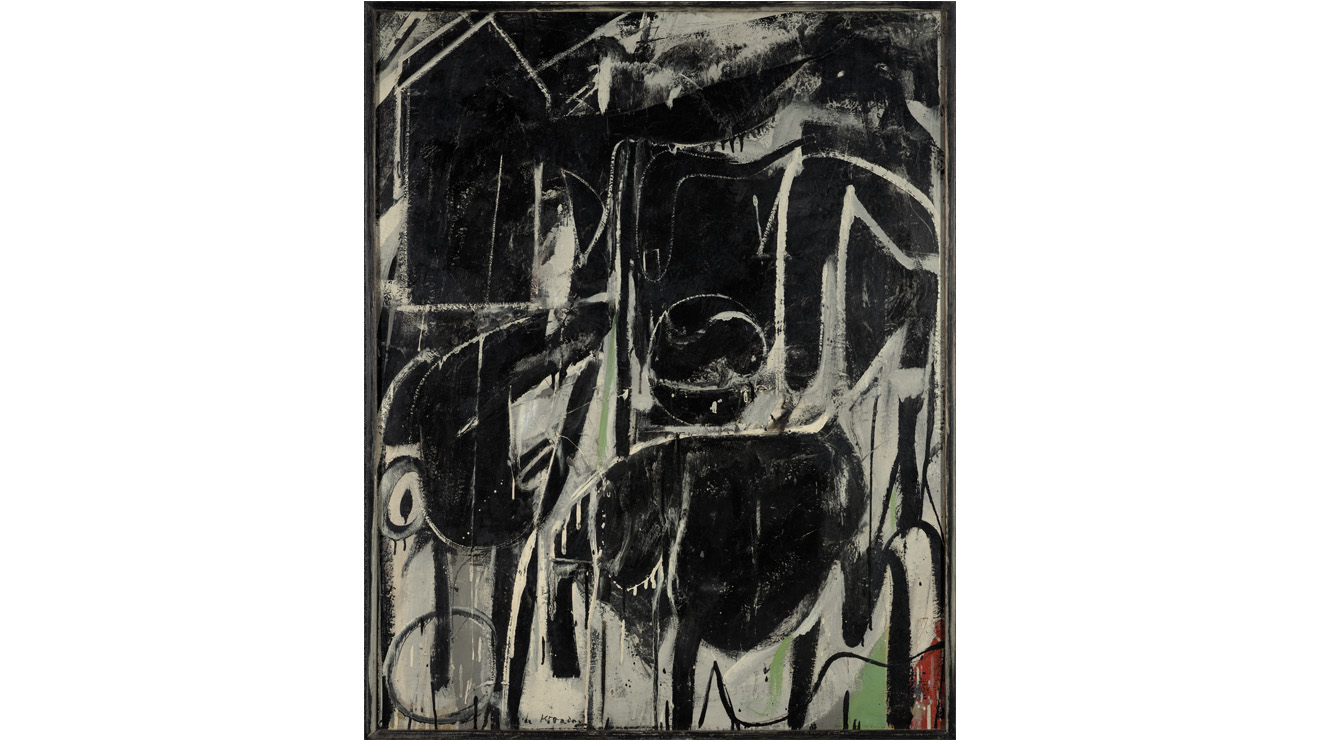
Stop 4. Willem de Kooning’s Black Friday, 1948, enamel and oil over paper collage on fiberboard
The showpiece around which our exhibition Willem de Kooning: The Breakthrough Years, 1945–50 (on view through July 26) is organized, Black Friday, was one of a handful of mostly black-and-white abstract paintings shown at the artist’s first solo exhibition in 1948. Not only did the exhibition herald de Kooning’s arrival as one of the most important artists on the American scene, but it also signaled the birth of the so-called New York School, when the art world’s center of gravity shifted from Europe to New York City.
A highlight of Princeton’s collections, Black Friday was the gift of H. Gates Lloyd 1923 and Eleanor Biddle Lloyd, who purchased the painting directly from the artist. The New York Times reported that my predecessor Allen Rosenbaum framed Lloyd’s donation letter and hung it in his office “by way of encouragement” to visiting alumni who might be inspired to donate themselves.
Leave the Allen Adler & Frances Beatty Adler Gallery, turn right, and head toward the Cross-Collections Gallery.
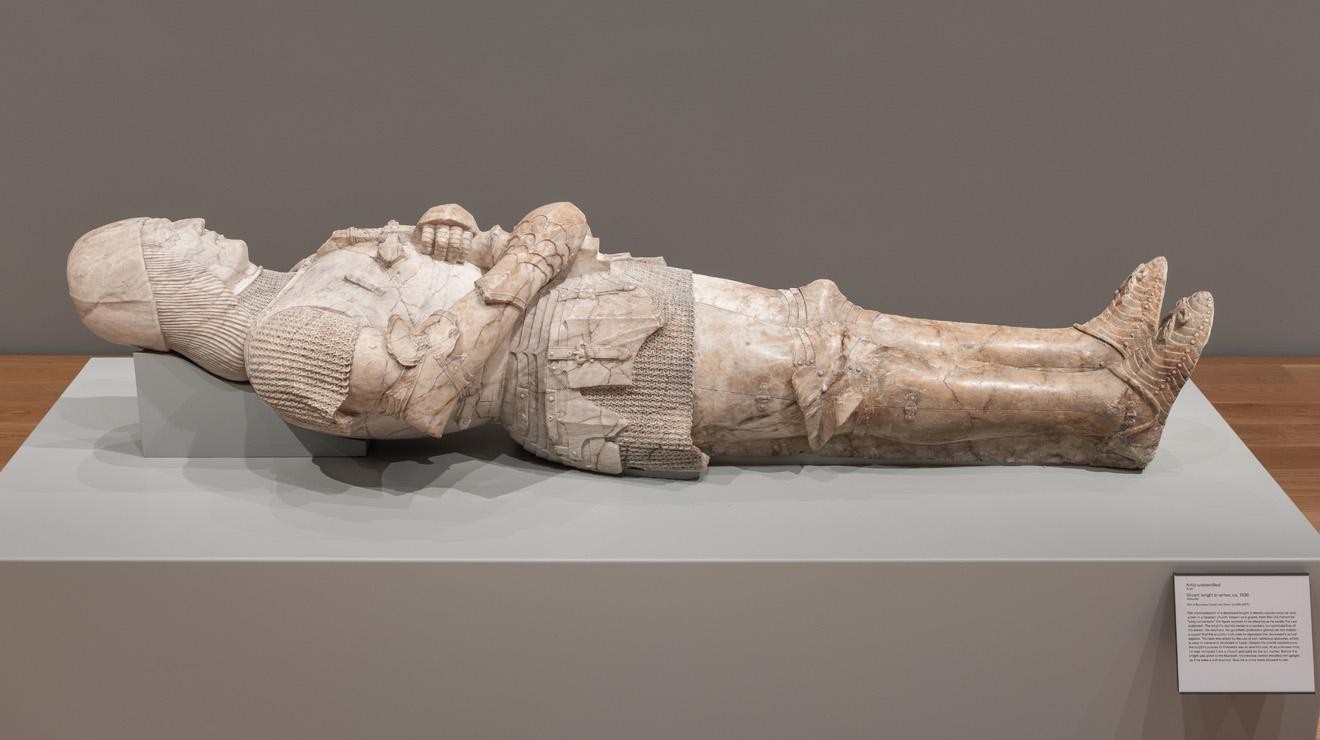
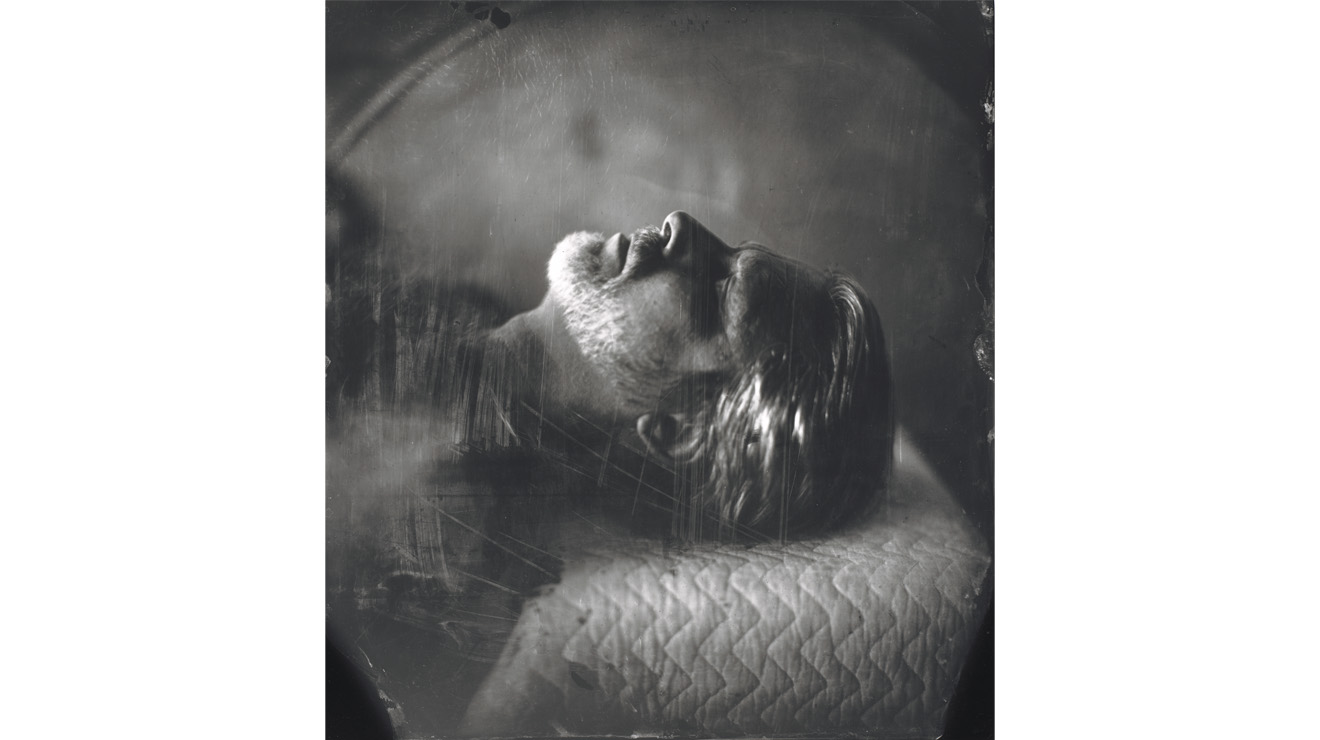
Stop 5. Unidentified Spanish artist, Gisant (knight in armor) ca. 1500, alabaster and Sally Mann’s Was Ever Love, 2009
In planning the inaugural hang of the new museum, we wanted a few thematically inspired galleries that draw from across the museum’s holdings to complement spaces organized by chronology or geography. The current installation explores mourning, loss, and elegy across cultures and time periods.
One especially poignant pairing brings together a sculpture of a deceased knight depicted as if asleep — originally displayed atop a bier in a Spanish church — with Was Ever Love, a photograph by Sally Mann of her husband, Larry, whose slumbering pose draws on the tradition of the Victorian deathbed photograph.
The photograph gains poignancy knowing that her husband was facing a life-threatening illness and that, for the artist, mortality was always present. Created 500 years apart, the two works depict with great tenderness those who have been, might, or will be lost, evincing the human desire across time and space to remember and memorialize the beloved in the face of a fate that awaits us all.
James Christen Steward is the Nancy A. Nasher-David J. Haemisegger, Class of 1976, Director of the Princeton University Art Museum.
The Latest
See all


Related News

With Prominent Journalists and Hoagies, the ‘Prince’ Celebrates 150 Years
A gala at the New York Historical raised roughly $400,000 for the independent student newspaper



No responses yet