

SCOTUS Sides With Toymaker Rick Woldenberg ’81’s Case Against Tariffs
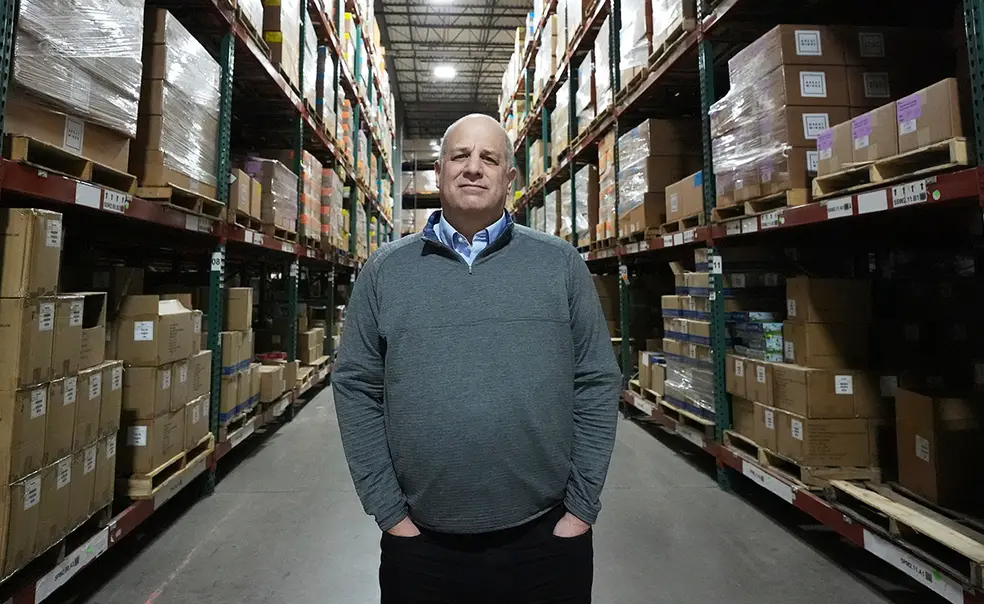

In the late morning Feb. 20, Rick Woldenberg ’81 was at the tail end of a business meeting in his Chicago-area office with his son Stephen, who manages sales at their toy company, Learning Resources, when suddenly Stephen turned to his phone vibrating on the desk.
“Dad, we won!” he exclaimed after glancing at his friend’s text.
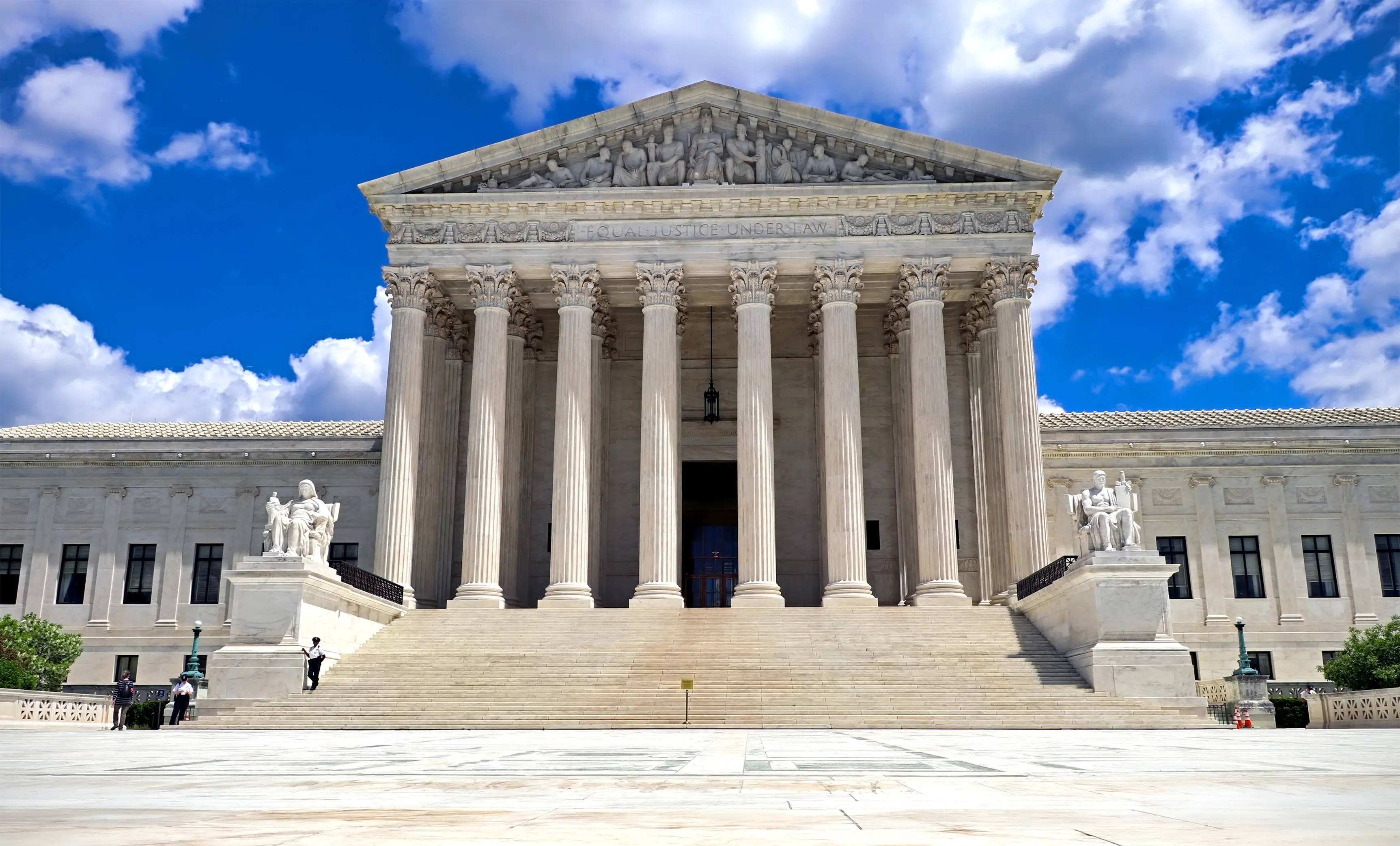
The U.S. Supreme Court had just struck down the application of most of President Donald Trump’s tariffs in response to lawsuits filed against the policies by 10 small businesses, including Learning Resources.
It was a remarkable feat “by some guy you never heard of running a company you never heard of and who goes to the highest court in the country to argue for how a law is misapplied,” Woldenberg told PAW over the phone between dozens of media interviews.
The decision signals an important loss for the second Trump administration, which was confident it would win the ruling. Treasury Secretary Scott Bessent said in September the removal of the tariffs would mean the U.S. “would have to give a refund on about half the tariffs … and it would be terrible for the Treasury.”
On Friday, Trump said he will impose a 10% “global tariff” in response to the Supreme Court’s decision.
“Other alternatives will now be used to replace the ones that the court incorrectly rejected,” the president said during a White House press briefing. “We have alternatives. Great alternatives. Could be more money. We’ll take in more money, and we’ll be a lot stronger for it. We’re taking in hundreds of billions of dollars. We’ll continue to do so.”
The road to victory was inspiring for Woldenberg, who noted his underdog story demonstrates the importance of standing up for “foundational principles this country was built on,” he said.
“I hope this taught everyone how the law applies evenly and fairly to everyone,” he added, “and how the rule of law has to be respected, whether you’re a private citizen or the president.”
In April 2025, Learning Resources and sister company, hand2mind, were among the first small businesses to bring a lawsuit against the tariffs. They were the only plaintiffs in the case to use their own resources to fund their court battles, as the nine other businesses involved were partnering with governmental departments or interest groups inviting plaintiffs to a joint suit.
Woldenberg and fellow Princetonian and lawyer Pratik Shah ’98 wanted to “remind the president about the rule of law,” Woldenberg said, by filing a lawsuit against the Trump administration for using the International Emergency Economic Powers Act to enable the president to unilaterally impose tariffs on dozens of countries.
Related coverage
Supreme Court Will Hear Toymaker Rick Woldenberg ’81’s Tariff Case
Woldenberg says President Trump’s tariffs would be disastrous for this fourth-generation family business
Soon after the suit was filed, his daughter, Elana Woldenberg Ruffman ’15, who is vice president of marketing at hand2mind, turned to social media to post about the implications of tariffs for small businesses, further galvanizing support and publicizing the suit.
At the time, Woldenberg said if he had to continue paying the tariff rate on China’s goods, where most of his toys are manufactured, his import costs would rise from $2.3 million to about $100 million.
On May 9, 2025, U.S. District Judge Rudolph Contreras ordered the administration to stop collecting tariffs from the Vernon Hills, Illinois, companies.
In November, Woldenberg’s legal team was invited to the U.S. Supreme Court to argue its case. The court said a decision would be coming soon.
When the ruling came down on Feb. 20, a few minutes after his son’s phone pinged the breaking news, Woldenberg thought: “I knew it.” He added, “It was never about if I was going to win this case. It was a matter of when.”
He added: “I have to admit, it’s exciting to be part of legal history.”
The Latest
See all


Related News
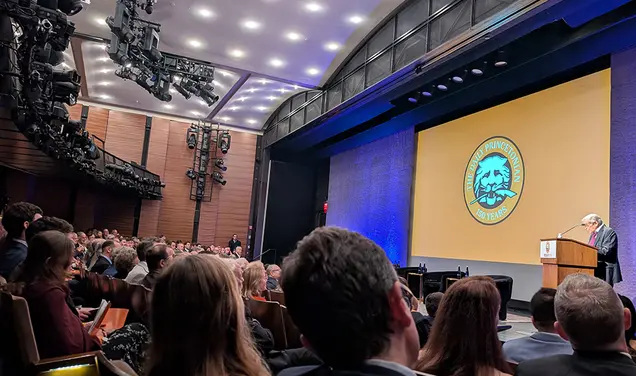
With Prominent Journalists and Hoagies, the ‘Prince’ Celebrates 150 Years
A gala at the New York Historical raised roughly $400,000 for the independent student newspaper


2 Responses
Murphy Sewall ’64
7 Months AgoUnwind Tariffs Until Congress Acts
Someone needs to go to court and get a ruling that because the just overruled tariffs have been in place for nearly a year, the application of the proposed 150 day tariff must be backdated to cover the period during which duties have already been imposed. Hence, the time limit has already expired, and the administration must take SCOTUS literally and unwind all the post Jan. 21, 2025, tariffs until Congress acts to authorize them (or not).
Olga Lara ’81
7 Months AgoA Beacon to His ’81 Friends
The Class of 1981 is so proud to count Rick among its ranks. His courage and devotion to defend the Constitutional rights of the American people is a beacon to us all. Tiger, Tiger, Tiger 🐅🐅🐅